Unlicensed Betting Boom: £100 Million Wagered Illegally During Aintree Grand National Festival
Xander Keller · Apr 26, 2026

Unlicensed Betting Boom: £100 Million Wagered Illegally During Aintree Grand National Festival
A Record Spike in Shadow Betting
The Betting and Gaming Council (BGC) has spotlighted a massive uptick in illegal gambling during the Aintree Grand National Festival in April 2026, where unlicensed operators raked in bets totaling up to £100 million—or about $135 million—across the event's high-stakes days. Figures reveal that £40 million of that sum targeted the headline Grand National race itself, drawing punters away from regulated channels into riskier, unregulated waters. Observers note how this surge underscores vulnerabilities in the UK's betting landscape, especially as licensed bookmakers grapple with mounting operational hurdles.
What's interesting is the timing; the festival, a cornerstone of British racing culture held annually at Aintree Racecourse near Liverpool, always pulls in huge crowds and wagers, yet this year's illegal activity hit unprecedented levels according to BGC data. Licensed firms, which typically handle the bulk of such action through secure platforms, saw a notable dip as bettors sought alternatives, bypassing the checks that keep gambling safer.
Stricter Rules Pushing Punters Underground
Financial pressures on UK bookmakers, driven by tougher affordability checks, lie at the heart of this shift; these regulations now require operators to collect private financial details from customers before allowing higher-stake bets, a move designed to curb problem gambling but one that's reportedly frustrating many regular punters. Data indicates that such demands—ranging from bank statements to spending histories—have prompted some to flock to unlicensed sites, platforms that skip identity verification entirely, ignore anti-money laundering protocols, and lack any responsible gambling safeguards like deposit limits or self-exclusion options.
Take the average racegoer at Aintree, someone who's bet legally for years; they might hit a snag with affordability hurdles during the festival's frenzy, then turn to an offshore app promising quick access without the paperwork, unaware of the pitfalls lurking there. BGC representatives highlight how this exodus not only endangers individual bettors—who face odds manipulation, non-payment risks, and no recourse for disputes—but also undermines the regulated sector's stability.
And here's the thing: while the checks aim to protect vulnerable players, their implementation has coincided with this illegal boom, creating a perfect storm where licensed operators lose revenue streams they need to sustain operations, jobs, and contributions to the sport itself.
The Legal Industry's Stake in the Game
The UK's licensed gambling sector supports over 100,000 jobs nationwide, from bookies on high streets to tech teams powering online platforms, while generating billions in tax revenue that funds public services and bolsters events like the Grand National. BGC figures emphasize that without these contributions, major festivals such as Aintree's—drawing over 150,000 attendees in 2026—could face funding shortfalls, threatening prize money, track improvements, and the very races that captivate fans.
Turns out, the illegal £100 million haul represents lost legitimate wagers; had those bets flowed through regulated books, they'd have added substantially to the £2 billion-plus in annual levy payments to British horseracing, money that sustains breeding programs, training facilities, and jockey welfare. Observers point out that unregulated operators, often based overseas, pay nothing into these systems, siphoning value from an ecosystem built on fair play.
People who've studied betting trends often discover patterns like this during peak events; the Grand National, with its 34-runner field and history of dramatic finishes, amplifies the temptation for quick, unchecked action, especially when legal paths feel bogged down by compliance.
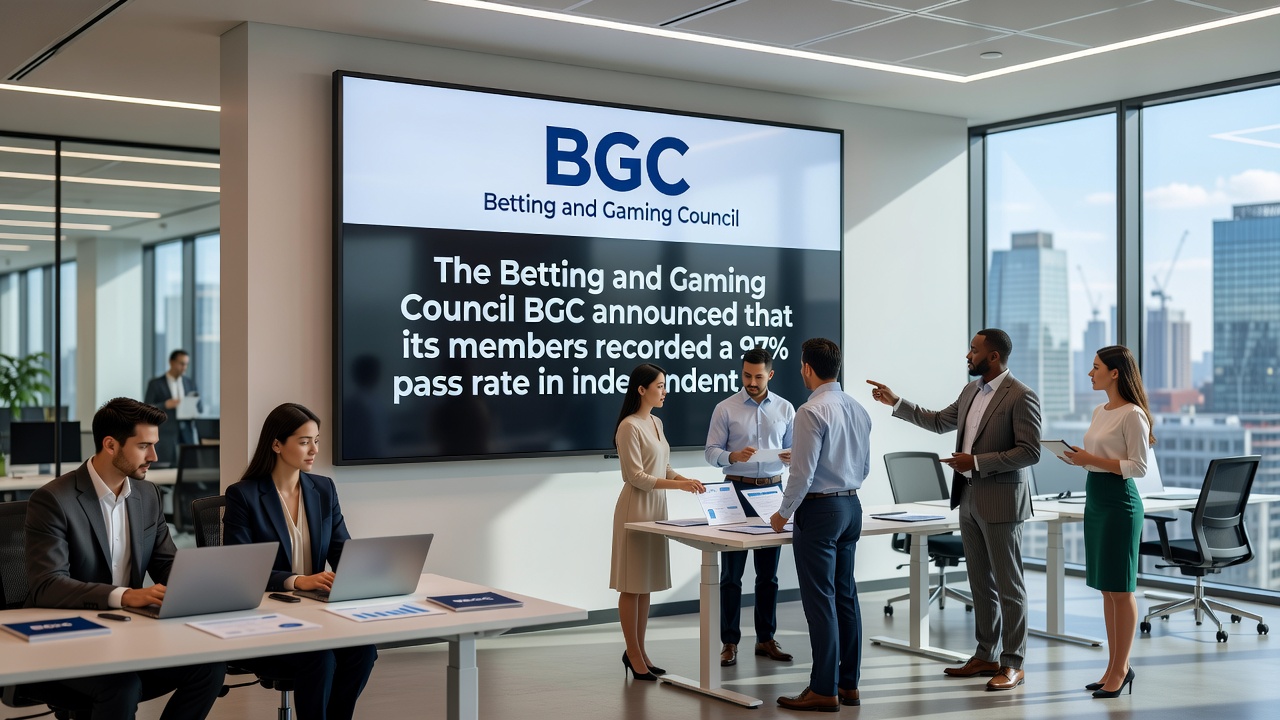
Enforcement Calls Grow Louder
BGC leaders stress the urgency for ramped-up enforcement against these illegal networks, urging authorities to crack down on operators flouting UK laws while ensuring regulations remain balanced for the legal market. Stronger action could involve better monitoring of payment processors, international cooperation to shut down rogue sites, and public awareness campaigns highlighting the dangers of offshore betting—think frozen winnings, data breaches, or worse, ties to organized crime.
But here's where it gets interesting: the council advocates preserving affordability frameworks that work, yet calls for refinements to avoid alienating casual punters who fuel events like the Grand National without issue. Research into similar spikes, such as during Cheltenham or Royal Ascot, shows enforcement alone isn't enough; tweaks to verification processes—perhaps tiered checks based on bet size or customer history—could stem the flow without stifling business.
One case that experts reference involves past crackdowns on unlicensed poker rings, where coordinated efforts between the Gambling Commission and police recovered millions and deterred copycats; BGC suggests applying that model here, targeting the £40 million Grand National slice as a high-visibility win.
Risks Beyond the Racetrack
Unregulated platforms pose multifaceted threats; without anti-money laundering (AML) measures, they become conduits for illicit funds, while the absence of age gates exposes minors to gambling—issues licensed firms combat rigorously through ID uploads and transaction monitoring. Figures from the festival reveal how bettors on illegal sites often encounter manipulated odds, where bookies adjust lines post-bet or vanish after big payouts, leaving punters high and dry.
That's the reality for many who veer off the beaten path; a punter wagering £500 on a Grand National outsider might celebrate an unlikely win only to find withdrawal denied, with no regulator to appeal to. BGC data underscores that responsible tools—mandatory on licensed sites, like reality checks after 30 minutes of play or cooling-off periods—vanish in the shadows, heightening addiction risks amid the adrenaline of live racing streams.
So, as Aintree's fences tested horses in April 2026, the betting world's obstacles proved just as formidable for the industry navigating this illegal surge.
Broader Implications for Racing's Future
The licensed sector's role extends far beyond wagers; it underwrites the Grand National's spectacle, from helicopter flyovers to celebrity enclosures, all propped up by stable revenues. With £100 million diverted illegally, stakeholders worry about ripple effects—reduced sponsorships, fewer media deals, even impacts on attendance if tracks cut corners.
Yet, those who've tracked the industry know resilience defines it; past regulatory shifts, like the 2014 point-of-consumption tax, initially squeezed margins but spurred innovation in customer protections and digital tools. BGC pushes for a similar adaptive approach now, balancing enforcement with proportionality to keep the £40 million race-day action where it belongs—safely regulated.
Now, with the festival's echoes still fresh, conversations between regulators, operators, and lawmakers intensify, aiming to fortify barriers against the underground while nurturing the legal framework that powers British sport.
Conclusion
The BGC's alert on £100 million in unlicensed bets during the 2026 Aintree Grand National Festival lays bare tensions between player protection and market viability; affordability checks, while well-intentioned, have inadvertently funneled wagers—including £40 million on the marquee race—to platforms devoid of safeguards, AML protocols, or industry contributions. Licensed operators, backing 100,000 jobs and billions in taxes, stand ready to reclaim that volume if enforcement strengthens and rules refine. As racing fans reflect on the thrills of Aintree, the push for a safer, sustainable betting ecosystem gains momentum, ensuring the Grand National's legacy endures without shadows.