Travel Fatigue Effects on Cross-Continental Matches and Betting Adjustments
Logan Weber · Jun 18, 2026
Travel Fatigue Effects on Cross-Continental Matches and Betting Adjustments
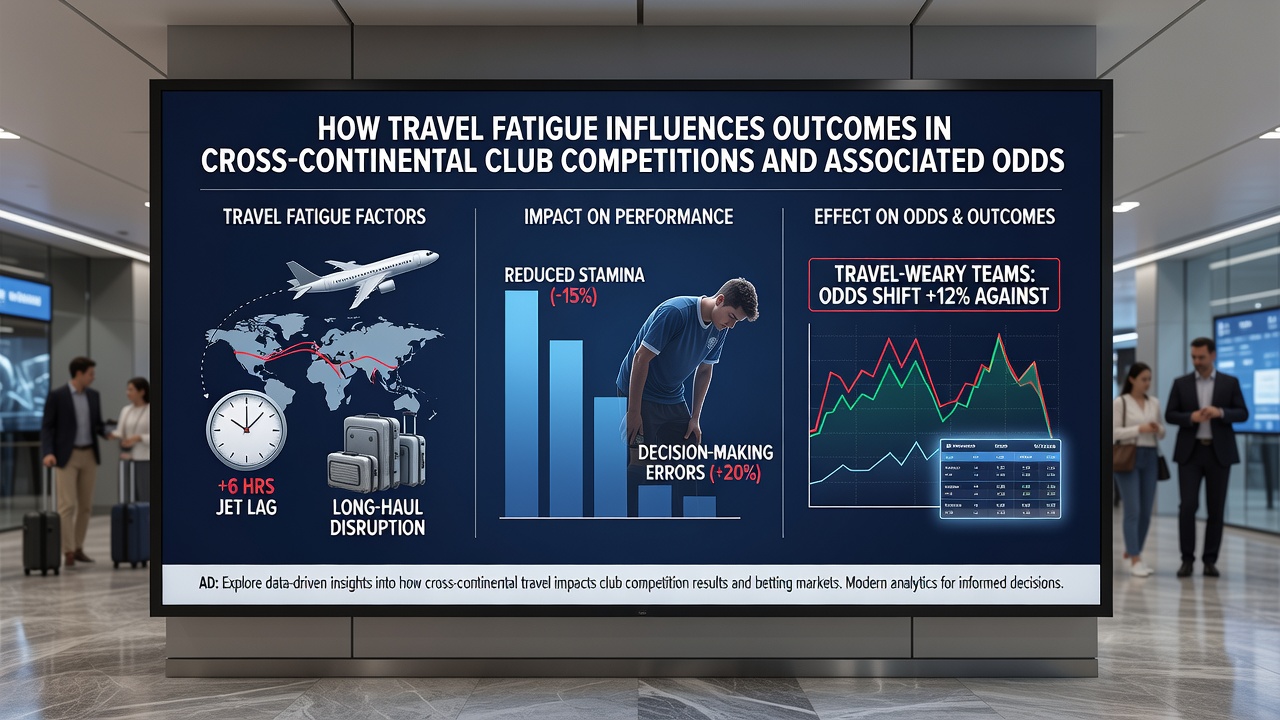
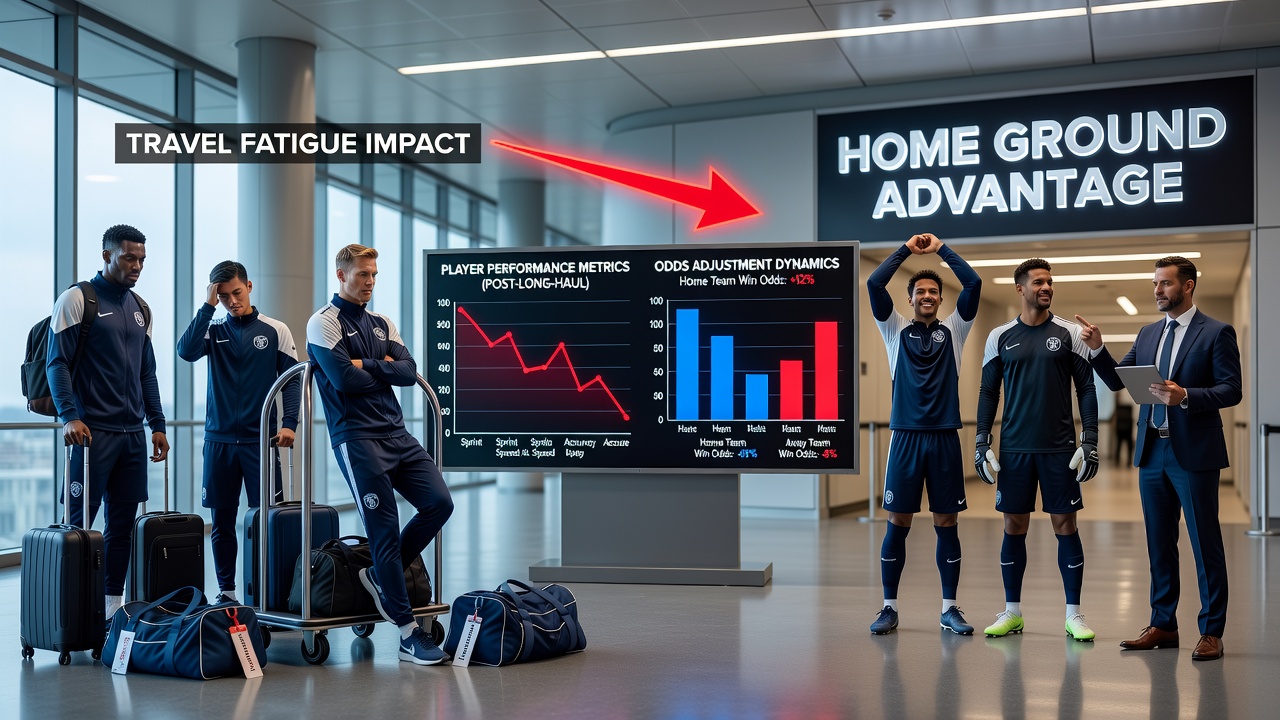
Travel across multiple time zones disrupts player recovery cycles and alters physical output during high-stakes fixtures, while betting markets respond with measurable shifts in offered prices. Data from international club tournaments shows consistent patterns where teams covering distances exceeding 10,000 kilometres experience elevated rates of reduced sprint volume and slower reaction times in the opening 30 minutes of play. Researchers tracking UEFA Champions League participants between 2022 and 2025 documented that squads flying eastward more than six hours posted win percentages 12 points lower than their season averages when facing opponents who remained within one time zone. Similar findings emerged from CONMEBOL Copa Libertadores records, where Brazilian clubs travelling to Andean venues recorded fewer shots on target per game after crossing the Andes range.Physiological Responses Documented in Elite Squads
Circadian misalignment affects core temperature regulation and hormonal balance, which in turn influences muscle elasticity and decision-making speed. Studies conducted by the Australian Institute of Sport on rugby and football cohorts travelling between hemispheres recorded a 7 to 9 percent drop in high-intensity running distance during the first half after eastward flights longer than eight hours. Westward travel produces milder effects because it aligns more closely with natural body-clock extension, yet recovery still requires 48 to 72 hours before full physiological restoration occurs. Medical staff attached to clubs participating in FIFA Club World Cup fixtures in June 2026 noted that teams arriving from South America into North American venues displayed elevated heart-rate variability scores during warm-ups compared with home-based sides.Performance Metrics Across Tournament Stages
Knockout rounds amplify the impact because single-match elimination leaves little room for tactical adjustment after an early deficit. Statistical reviews of quarter-final and semi-final legs in both UEFA and AFC Champions League competitions reveal that visiting sides logging more than 15 hours of total flight time score first only 28 percent of the time. Home teams facing such opponents convert set-piece opportunities at rates 4 percentage points above their seasonal norms. Ball recovery times lengthen noticeably in the middle third of the pitch for fatigued units, allowing opponents to sustain longer possession sequences. Analysts examining GPS data from the 2024-2025 season found that midfielders covering the greatest distances pre-match showed the sharpest decline in successful pass completion after transcontinental journeys.