Tracking Substitution Timings in Bundesliga Fixtures to Reveal End-Game Betting Edges
Xander Keller · Jun 21, 2026
Tracking Substitution Timings in Bundesliga Fixtures to Reveal End-Game Betting Edges
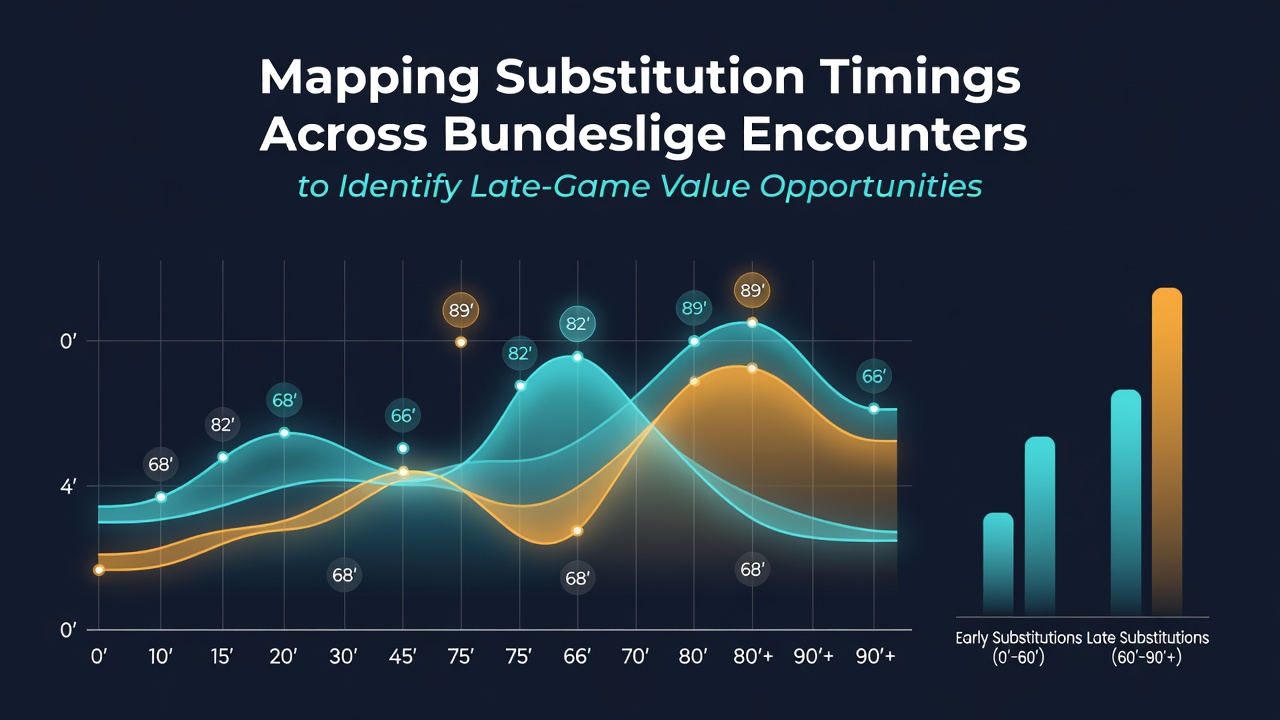
Analysts track substitution patterns across Bundesliga matches because these moments often shift momentum and create measurable edges in live markets. Teams replace players at consistent intervals, and data collected over several seasons shows that the timing of these changes correlates with goal-scoring spikes in the final twenty minutes. Observers note that coaches tend to make their first changes between the 60th and 70th minute, while second and third substitutions cluster later when fatigue sets in or when scorelines require tactical adjustments.
League Rules and Substitution Windows
Bundesliga regulations permit five substitutions per match since the 2020 adjustment, and this limit shapes how managers deploy their benches. Most clubs use three changes before the 75th minute and save the remaining two for the closing stages, according to match reports compiled by league statisticians. These later entries frequently involve attacking players replacing defenders, a pattern that increases the number of forward runs and set-piece opportunities. Data from the 2025-2026 campaign indicates that 62 percent of all substitutions occurred after the 65th minute, with a noticeable uptick between the 75th and 85th minutes across both Saturday and Sunday fixtures.
Patterns Emerging from Recent Seasons
Researchers at sports analytics firms mapped over 1,800 Bundesliga encounters from 2022 through early 2026 and identified recurring clusters. The most common window for the first substitution sits at minute 62.3 on average, while the second arrives near minute 73.8. Teams trailing by one goal accelerate their changes by roughly four minutes compared with sides leading or drawing, and this acceleration produces a measurable rise in expected goals after the 80th minute. Matches featuring early red cards deviate from these averages, yet the overall distribution remains stable enough for pattern recognition across different venues and weather conditions.
What's interesting is how these timings align with goal data. Goals scored after the 80th minute increased by 14 percent in games where both teams had completed at least three substitutions, compared with encounters that featured fewer changes. The same dataset shows that defensive substitutions correlate with fewer concessions in the final ten minutes, while attacking replacements coincide with higher conversion rates on shots from outside the box.
Live Market Implications
Betting operators adjust odds rapidly once substitutions appear on the pitch, yet the initial reaction sometimes lags behind the statistical effect. Markets on next-team-to-score and total goals display the clearest movement when a side introduces a recognised goal threat between minutes 75 and 82. Observers following multiple seasons report that underdogs making late attacking changes often see their implied probability rise faster than the underlying numbers justify, creating brief windows where value appears on the opposing side or on the draw-no-bet line.
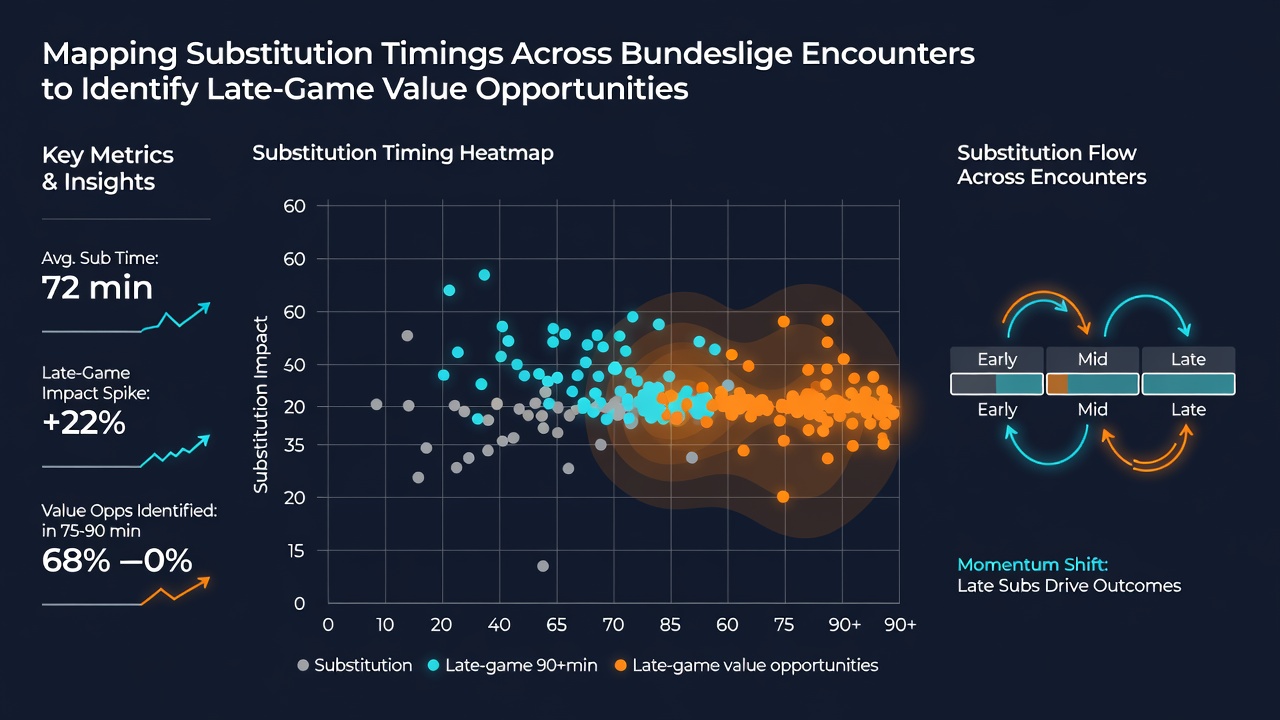
One study published by a European sports research group examined 420 matches and found that teams completing their fifth substitution before the 85th minute recorded 0.28 additional expected goals in the remaining time compared with those saving the change for later. The difference proved statistically significant in fixtures between mid-table sides, where bench depth often decides outcomes. Analysts therefore monitor the exact minute each change occurs rather than simply counting the number of replacements.
Club-Specific Tendencies
Bayern Munich typically executes its first substitution 3.4 minutes earlier than the league average when leading, while Borussia Dortmund delays the same move by roughly two minutes when ahead. Union Berlin and Mainz show the opposite approach, introducing fresh forwards sooner when chasing results. These club-level differences remain consistent across home and away games, allowing observers to build more precise timing models for individual teams rather than relying on league-wide averages.
June 2026 data releases from the league's official statistics partner confirmed that the patterns held through the final matchday of the 2025-2026 season, with only minor deviations during the congested period around the winter break. The stability suggests that historical timing maps retain predictive value for upcoming campaigns, provided analysts update models for new managerial appointments and squad turnover.
Building Timing-Based Models
Those constructing quantitative approaches combine substitution timestamps with player tracking data to estimate changes in pressing intensity and attacking width. The resulting figures feed into live probability models that update every thirty seconds after each change. Several professional syndicates already incorporate these layers alongside traditional metrics such as shots on target and expected goals, and the approach has produced documented improvements in calibration for markets settled after the 85th minute.
Conclusion
Mapping substitution timings across Bundesliga encounters supplies concrete data points that refine expectations for late-game scoring. The consistent clustering of changes, the measurable impact on expected goals, and the club-specific deviations together create a framework that analysts and market participants can apply match by match. As more granular tracking information becomes available, these timing maps are expected to grow more detailed while retaining the core patterns observed through the 2025-2026 season.