The Influence of Squad Depth on Success Rates in Multi-Team Accumulators
Drew Braun · May 31, 2026
The Influence of Squad Depth on Success Rates in Multi-Team Accumulators
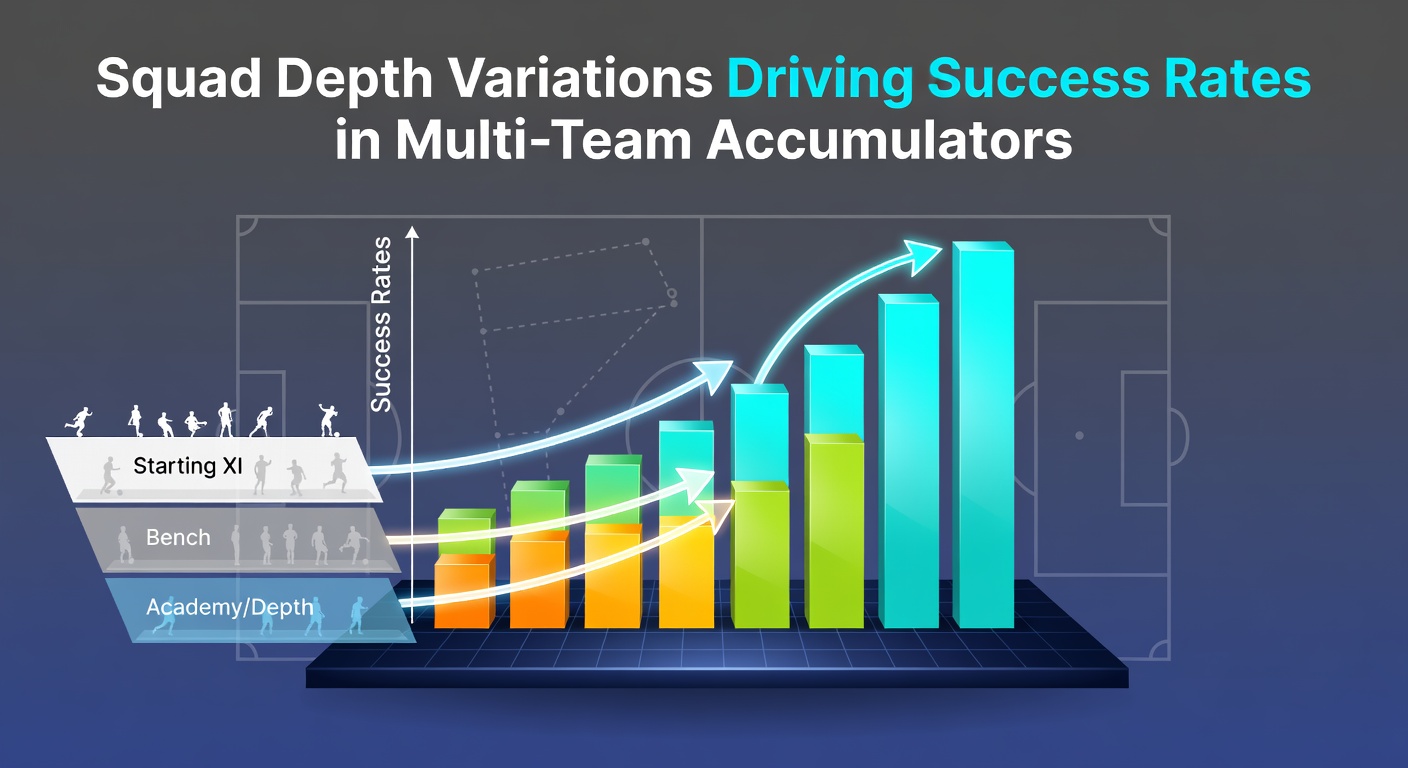
Multi-team accumulators depend on consistent performances across several fixtures, and squad depth emerges as a measurable variable that shapes those outcomes in professional football. Teams maintaining larger pools of high-caliber players demonstrate steadier results when schedules intensify, particularly during periods when fixtures cluster within short windows. Data from top European divisions shows that clubs with superior bench options record higher points-per-game averages in the latter stages of campaigns, directly affecting the reliability of selections within accumulator structures.
Defining Squad Depth in Context of Betting Markets
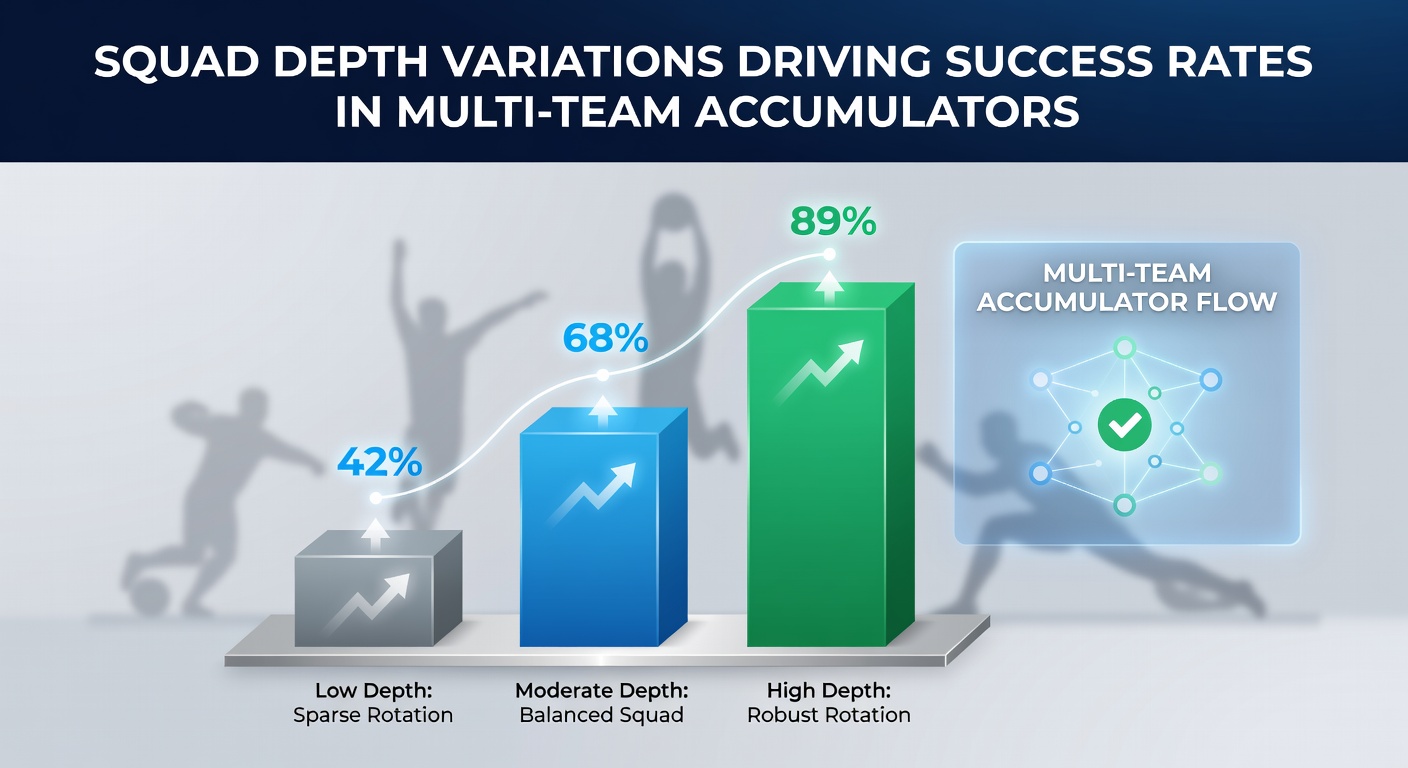
Squad depth refers to the number and quality of players available beyond the starting eleven, encompassing substitutes who can maintain performance levels without significant drop-off. Observers note that this metric becomes critical in leagues where teams contest domestic cups alongside continental competitions, since rotation prevents fatigue accumulation. Research indicates that clubs averaging more than eighteen players with over 1,500 minutes played per season tend to sustain win percentages above 55 percent in matches following European midweek fixtures, whereas shallower squads see that figure dip below 45 percent.
Performance Patterns Across Congested Calendars
League schedules in 2025-2026 highlighted these variations clearly, with May 2026 marking the conclusion of multiple domestic seasons where title races and European qualification battles extended into late rounds. Teams that rotated effectively preserved key metrics such as expected goals and clean sheet rates, contributing to more predictable results for bettors constructing multi-leg wagers. Analysts tracking these trends found that depth advantages translated into fewer late concessions, a factor that influences both match outcomes and in-play adjustments across accumulator legs.
Data Insights from Major Competitions
Statistics compiled across the Bundesliga, Serie A, and Ligue 1 reveal correlations between squad size and points earned in the final ten matchdays. One study published through sports analytics platforms documented that sides utilizing at least five different starting lineups over a four-week period maintained higher goal differentials compared with those relying on fewer than three variations. This consistency matters for accumulator construction because single-leg volatility decreases when depth supports tactical flexibility. Figures from the European Club Association further illustrate that top-half finishers in 2025-2026 allocated greater resources to squad breadth, resulting in lower variance in performance indicators tracked by betting models.
What's interesting is how these patterns extend beyond elite clubs. Mid-table outfits with targeted recruitment in depth positions often outperform expectations in specific windows, such as post-international breaks. Bettors examining historical head-to-head records combined with current squad reports can identify edges where depth differentials favor one side over another in simultaneous fixtures.
Integration with Accumulator Construction Methods
Multi-team accumulators require balancing risk across selections, and squad depth supplies an objective layer for evaluation. Experts have observed that incorporating depth metrics alongside traditional form guides reduces exposure to unexpected rotations or injury clusters. For instance, clubs demonstrating balanced minute distribution across forwards and midfielders exhibit steadier scoring outputs, which in turn supports over/under markets within combined bets. Australian wagering research groups have published reports linking squad utilization rates to long-term return metrics, providing additional context for those analyzing European fixtures from a distance.
Turns out that late-season phases amplify these effects. With May 2026 approaching the end of qualification campaigns, teams already assured of positions sometimes field rotated squads, yet those possessing genuine depth options avoid sharp declines in key performance areas. This dynamic creates measurable differences in outcome probabilities that propagate through accumulator calculations.
Regional Variations and External Factors
Weather conditions, travel demands, and fixture density interact with squad resources in distinct ways across competitions. Northern European leagues report higher correlations between bench strength and points totals during winter months, while southern divisions show impacts during summer extensions. A review conducted by Canadian sports analytics researchers noted similar patterns in comparable tournament structures, emphasizing that depth buffers against environmental variables affecting match scripts. Bettors tracking these elements gain clearer visibility into which legs carry elevated consistency.
Conclusion
Squad depth operates as a quantifiable driver within multi-team accumulator frameworks by influencing consistency across simultaneous fixtures. Evidence from multiple leagues demonstrates that clubs maintaining broader player pools sustain performance indicators more reliably, particularly during compressed schedules. Observers monitoring these variables alongside established statistics obtain structured insights into selection reliability, supporting data-informed approaches to accumulator assembly without reliance on isolated match narratives.