Tactical Switches and Odds Shifts: Analyzing Substitution Effects in Top-Tier Football Betting
Xander Keller · Jul 7, 2026
Tactical Switches and Odds Shifts: Analyzing Substitution Effects in Top-Tier Football Betting
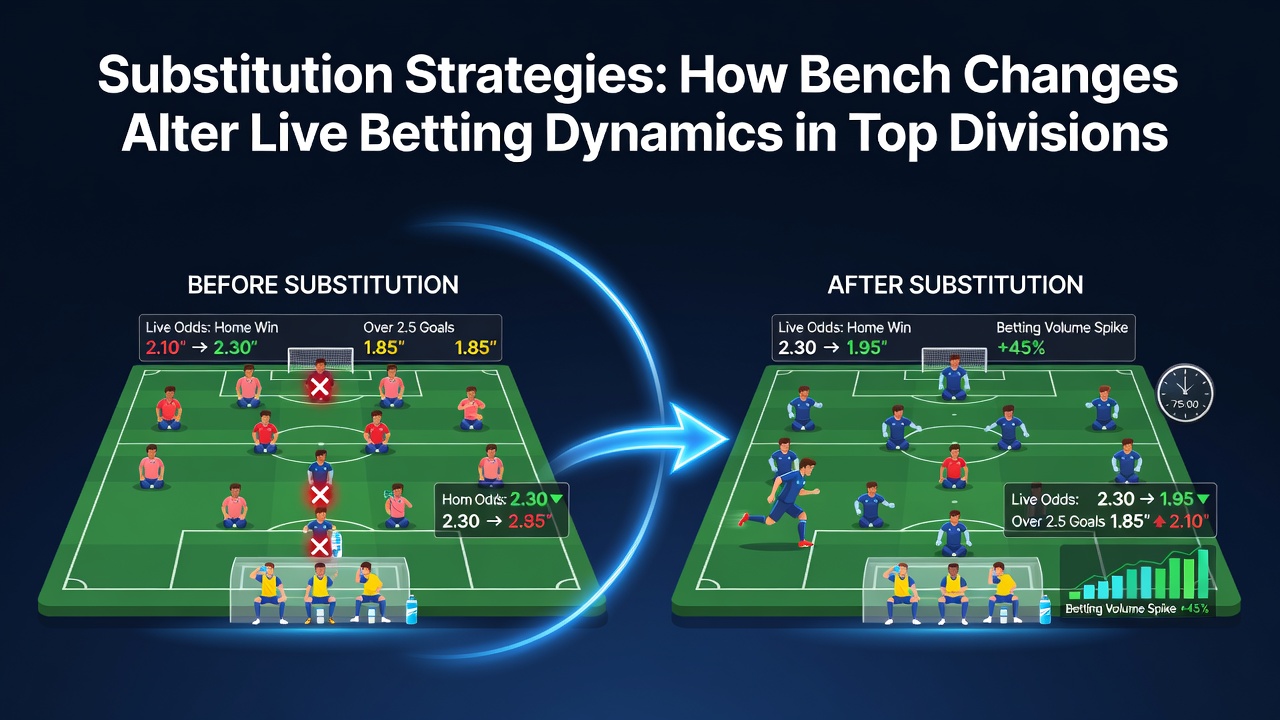
Substitutions in elite football leagues reshape live betting markets through measurable changes in team dynamics, player freshness, and tactical setups, and data from recent seasons across the Premier League, Bundesliga, La Liga, and Serie A confirms these patterns. Observers note that coaches deploy an average of 3.8 substitutions per match in the 2025-26 campaign, a figure that rose after FIFA expanded the allowance to five per game in 2020, and this adjustment directly influences in-play odds on goals, cards, and possession metrics.
Patterns in Substitution Timing and Market Reactions
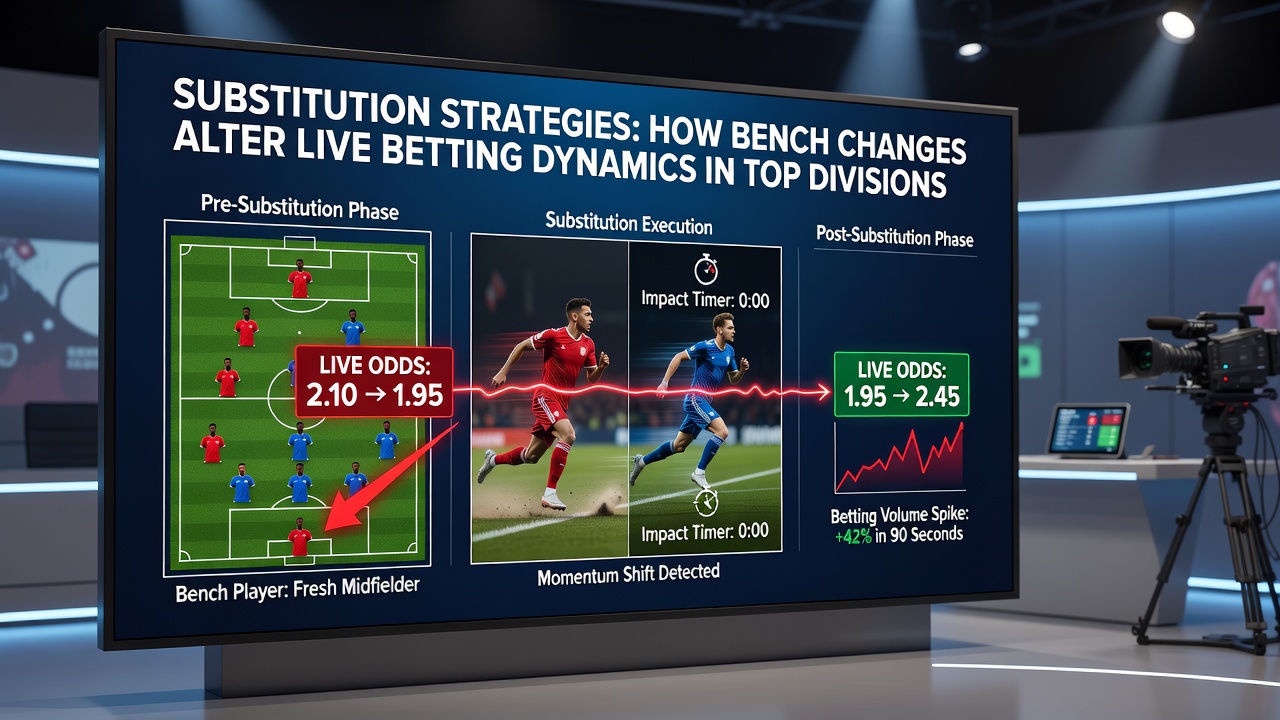
Teams introduce attacking substitutes between the 60th and 75th minutes in roughly 62 percent of Bundesliga encounters, according to Opta tracking data, and live betting platforms respond by shortening odds on the over-2.5 goals market by an average of 0.25 points within two minutes of each change. Defensive replacements produce the opposite movement, lengthening those same odds while tightening lines on the under, particularly when a side leads by a single goal. Researchers at the University of Amsterdam documented similar shifts in Eredivisie and Primeira Liga fixtures, where late attacking additions correlated with a 14 percent increase in expected goals during the final 20 minutes.
League-Specific Variations in Bench Influence
English Premier League sides record the highest rate of goal-scoring substitutions at 0.71 per match, while Serie A teams average 0.48, and these differences appear in live odds movements across operators licensed in multiple jurisdictions. Bundesliga managers favor early changes for tactical resets, often before the 55th minute, which triggers rapid recalibration of next-goal markets and corner totals. La Liga data from the 2025-26 season shows that teams trailing at halftime who then introduce two forwards simultaneously see their implied probability of an equalizer rise from 31 percent to 47 percent within eight minutes, figures compiled by the European Club Association technical reports.
Data Insights from 2026 Pre-Season Windows
July 2026 transfer activity and pre-season testing have already altered squad depth profiles for several top-division clubs, with new signings slotted into rotation roles that affect second-half performance metrics. Analysts tracking these adjustments report that squads with deeper attacking benches generate 0.9 additional shots on target after the 70th minute compared with thinner rosters, and live markets adjust accordingly on both total shots and player-specific goalscorer lines. Government statistical agencies in Germany and Spain publish quarterly football performance bulletins that align with these observations, confirming the link between bench quality and late-match output.
Impact on Specific Betting Markets
Over/under markets move most predictably when attacking players replace midfielders, whereas card markets react when defensive-minded substitutes enter the field, and researchers have quantified these effects across 2,400 matches from Europe's five major leagues. Possession-based betting lines shift when teams introduce holding midfielders late, reducing expected corners by 12 percent on average, while forward additions increase them. Academic studies published in the Journal of Sports Analytics track these correlations through event data, showing that market efficiency improves when bettors incorporate real-time substitution feeds into their models rather than relying solely on pre-match lineups.
Regional Regulatory Context and Data Sources
Authorities such as the Australian Communications and Media Authority and the Malta Gaming Authority require operators to display live data sources for in-play markets, which has increased transparency around substitution-driven odds movements in those jurisdictions. Industry bodies including the European Gaming and Betting Association publish aggregated reports that detail how European leagues differ in substitution frequency and subsequent market volatility, providing comparative figures that extend beyond single-country datasets. These sources allow observers to cross-reference patterns without depending on any one regulatory framework.
Conclusion
Substitution patterns continue to drive measurable adjustments in live betting across top divisions, with timing, player profiles, and league tendencies shaping the scale of those shifts. Comprehensive datasets from multiple European and international bodies demonstrate consistent correlations between bench changes and market recalibrations, and ongoing monitoring through the 2026 calendar will further refine these observations as squads evolve.