Squad Rotation Dynamics in European Cup Group Stages and Their Influence on Live Goals Markets
Xander Keller · Jul 28, 2026
Squad Rotation Dynamics in European Cup Group Stages and Their Influence on Live Goals Markets
European cup competitions feature packed schedules that prompt managers to rotate squads during group stages, and analysts track how these changes alter goal outputs in live markets. Data from recent campaigns shows clubs often rest star players after midweek fixtures while preserving points totals, and such adjustments frequently shift expected goal numbers in both halves of matches. Observers note that rotation becomes more pronounced once teams secure qualification spots, creating measurable dips or spikes in total goals depending on the depth of available personnel.
Common Rotation Patterns Across UEFA Group Stages
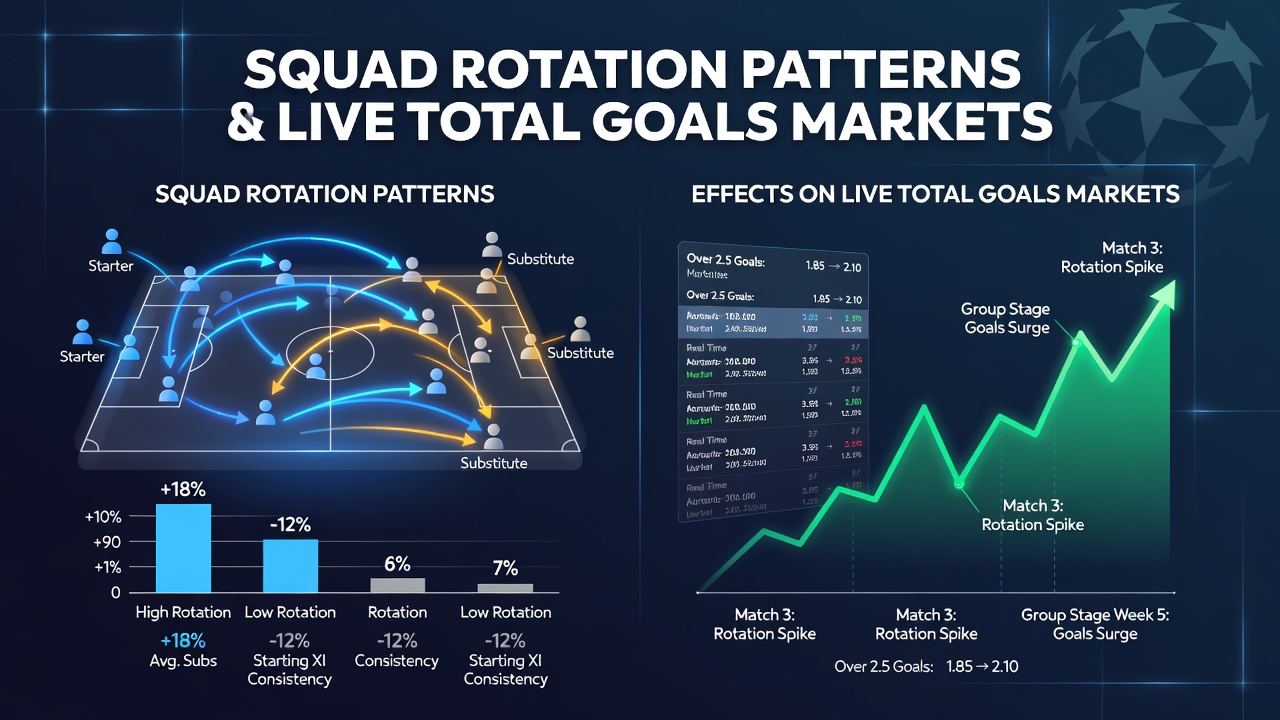
Managers in the Champions League and Europa League tend to cycle defenders and midfielders more aggressively than forwards during December group rounds, according to match reports compiled by league statisticians. Teams with large squads introduce substitutes earlier when leading by multiple goals, and this pattern holds across multiple seasons where data reveals average playing time reductions of 15 to 20 minutes for key starters. European Club Association figures indicate that sides advancing with points to spare average 2.3 changes per game compared with 1.1 changes among those still fighting for progression.
Rotation intensity rises further when travel distances increase, and clubs from northern leagues show higher rates of bench rotation after long-haul trips. Studies compiled by sports performance researchers at universities in Germany and Spain found that teams implementing three or more changes before the 60-minute mark concede 0.4 more expected goals per 90 minutes on average, yet they also generate additional counter-attacking opportunities that occasionally inflate total goals beyond market expectations.
Impact on Live Total Goals Markets
Live betting platforms adjust over/under lines rapidly once lineups and early substitutions appear, and historical data demonstrates clear correlations between rotation volume and goal frequency. When managers field second-string defenders against high-pressing opponents, shots on target increase by roughly 12 percent in the second half according to tracking data from major European broadcasters. This shift often pushes live totals above the pre-match line, particularly in matches where both sides have already qualified and share little incentive for intense defensive organization.
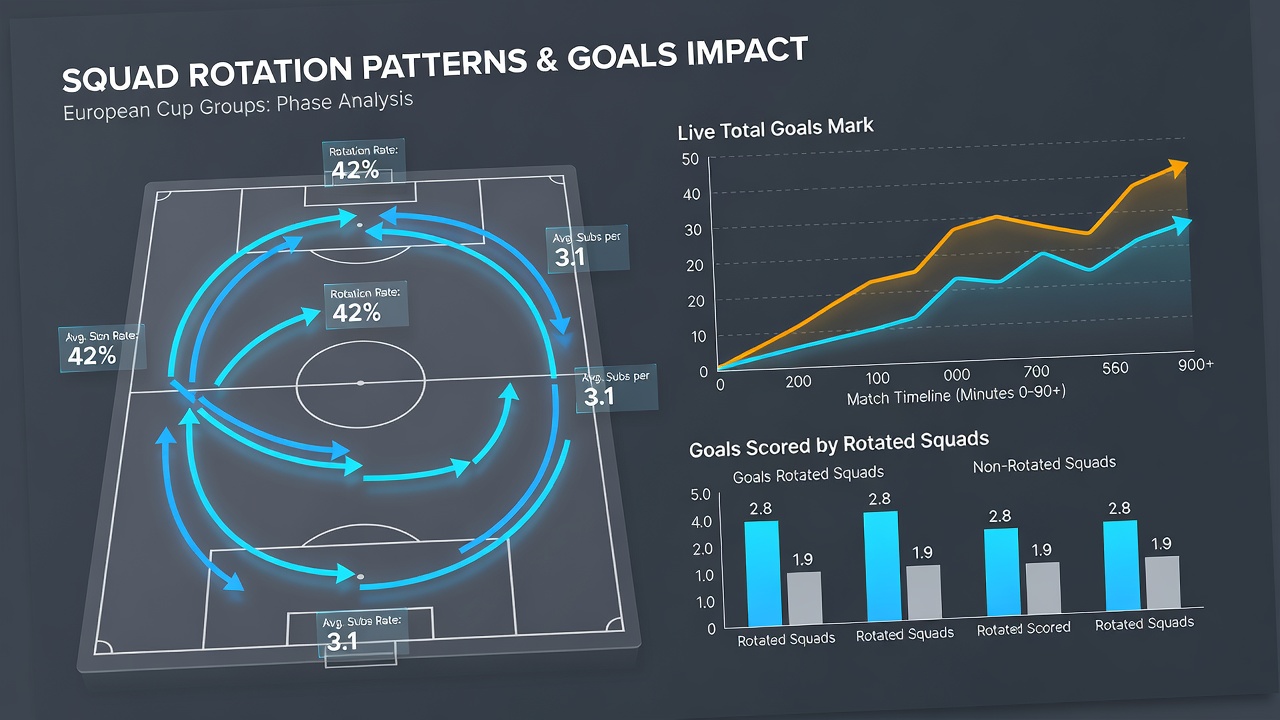
Conversely, rotation that preserves attacking units while swapping full-backs tends to maintain or slightly elevate goal tallies because wide areas open up more frequently. Performance analysts at the University of Loughborough documented 47 group-stage matches from the 2024-2025 season where teams made targeted defensive rotations and observed a 0.8 goal rise in combined totals compared with unchanged lineups. Bettors monitoring these patterns often see lines move within minutes of confirmed starting elevens, and similar adjustments appear in Europa Conference League fixtures where squad depth varies widely between participants.
Seasonal Trends and July 2026 Outlook
Preparations for the 2026-2027 campaign begin in July 2026 with pre-season tournaments that test new rotation protocols, and early indicators suggest clubs will continue experimenting with hybrid lineups ahead of expanded European schedules. Figures released by the European Club Association highlight a 9 percent increase in squad size among top-division clubs over the past three years, a development that enables more frequent changes without immediate performance drops. Those who review archived match data note that July friendlies frequently preview the rotation habits later deployed in group stages, providing early signals for analysts who model goal expectations across multiple competitions.
Weather conditions in northern venues during late autumn group matches compound rotation effects, and colder temperatures combined with fresh legs from substitutes often accelerate goal rates after the hour mark. Reports from Nordic football federations record higher second-half goal percentages in rotated squads, and these patterns repeat across both Champions League and Europa League venues where pitch conditions vary.
Conclusion
Rotation patterns in European cup group stages produce consistent, trackable shifts in total goals that live markets reflect through rapid line movements. Data from multiple seasons and across several competitions demonstrates that the number and timing of changes directly influence expected goal outputs, especially once qualification scenarios become clear. Observers continue to monitor squad announcements and substitution trends because they supply reliable inputs for models forecasting live over/under outcomes throughout the group phase.