Referee Discipline Trends in Eastern European Leagues Shape Live Card Betting Markets
Felix Vogel · Aug 27, 2026
Referee Discipline Trends in Eastern European Leagues Shape Live Card Betting Markets
League Specific Card Averages and Seasonal Shifts
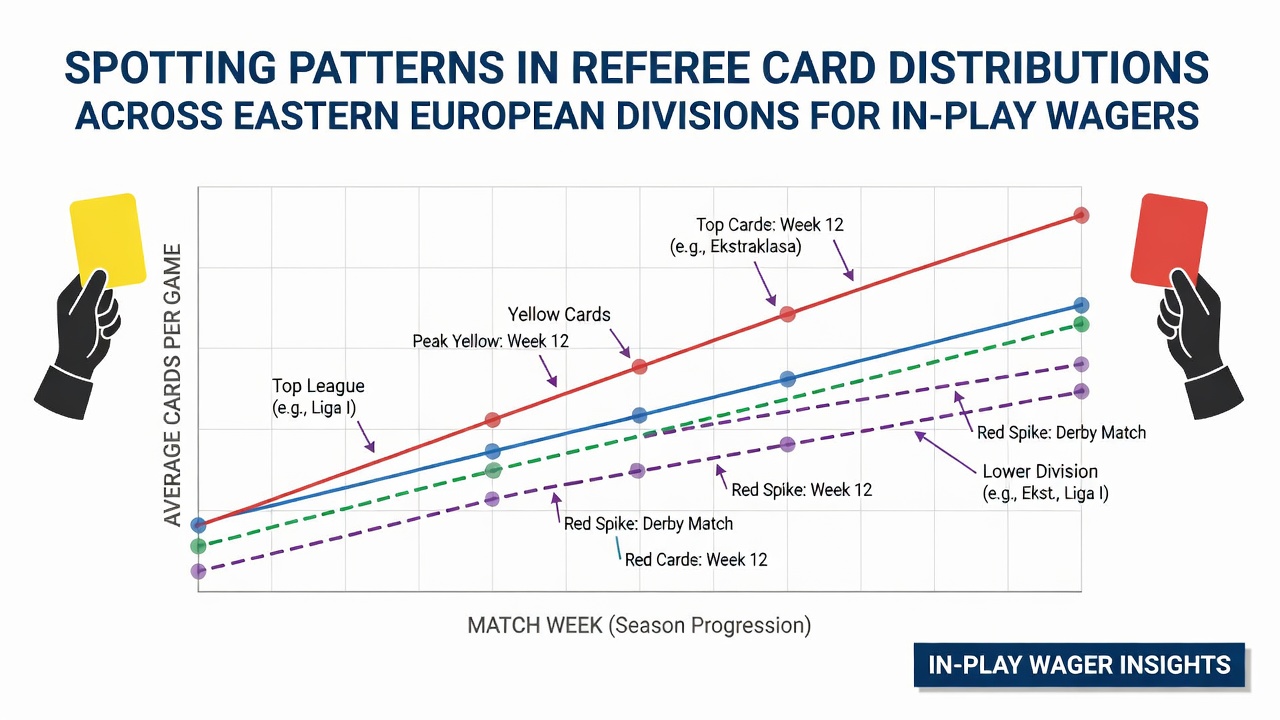
Polish Ekstraklasa fixtures in the 2025-26 campaign produced an average of 4.8 cards per game through the opening rounds while Romanian Liga I matches recorded 5.1 cards according to aggregated match data and Bulgarian First League contests averaged 4.3 cards over the same period and these baseline figures shift noticeably once the August 2026 restart introduces new squad compositions and fixture congestion patterns that alter referee workload across midweek rounds.
Data from multiple seasons shows certain officials maintain consistent card rates regardless of venue whereas others adjust thresholds when traveling between divisions and this distinction matters for in-play markets because live bettors track early bookings to project final totals before half time adjustments occur.
Referee Consistency Across Home and Away Assignments
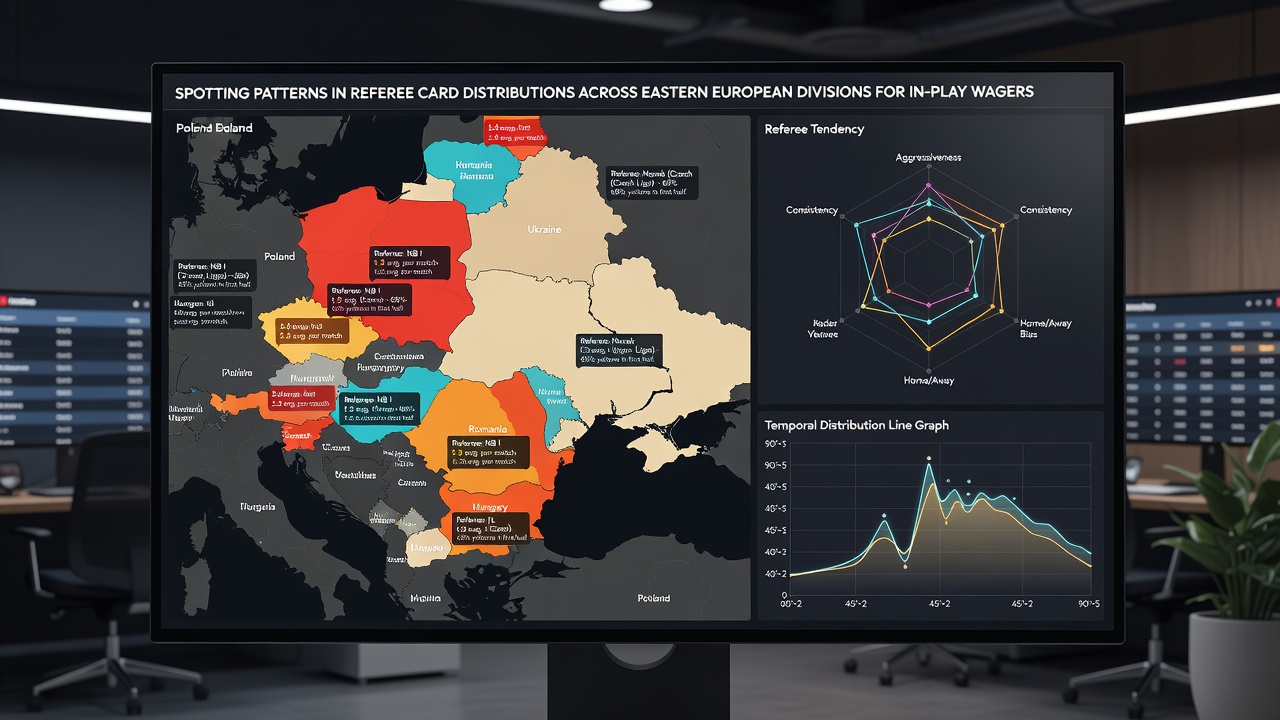
Observers note that referees assigned to Ekstraklasa home fixtures issue 0.6 more yellow cards on average than the same officials produce in away games while Liga I data reveals a smaller 0.3 card home bias and these variances widen in the second half when fatigue influences decision making and in-play platforms update odds accordingly once the initial card threshold appears.
Slovak Fortuna Liga records indicate three referees exceeded 5.5 cards per match across 2024-25 campaigns yet maintained lower rates below 4.8 when officiating in lower pressure venues and bettors who monitor these officials through early season August 2026 fixtures gain an edge when live markets open after the first booking.
Division Wide Patterns and In-Play Timing Windows
Research compiled by the European Football Observatory highlights that Eastern European divisions exhibit tighter card clusters in teh opening 20 minutes compared with Western leagues and this compression creates defined windows for live wagers on next card timing because matches often reach two bookings before the 35th minute in Ekstraklasa and Liga I contests.
Turnovers and set piece frequency correlate with subsequent cards in these leagues and analysts track these sequences because a third booking before half time frequently triggers market adjustments exceeding 20 percent on over 4.5 card lines while under markets contract when play remains open and physical challenges stay limited.
One case from the 2025 Bulgarian season demonstrated how a single referee issued six cards in the second half after only one booking before the interval and similar patterns reappear when fixture lists place high tension derbies in August 2026 and in-play platforms respond with rapid line movements once the second card lands.
External Factors Influencing Card Distributions
Weather records from the Polish and Romanian leagues show that matches played above 28 degrees Celsius produce 0.4 additional cards per game on average and these conditions occur regularly during late August rounds when pre season fitness levels remain incomplete and physical confrontations rise accordingly.
According to a UEFA disciplinary analysis Eastern European officials apply stricter interpretations of dissent and persistent fouling than their counterparts in Nordic divisions and this difference affects live accumulator structures that combine card totals with goal lines because a single dissent caution often precedes further bookings in the same match.
VAR usage remains limited across these leagues compared with top five European competitions yet when introduced in select cup ties it has produced a measurable 12 percent increase in second half cards and live bettors adjust projections once the system activates for the first time in a given fixture.
Practical Application for Live Card Markets
Bettors who compile referee specific profiles across the Ekstraklasa, Liga I and Fortuna Liga gain measurable context for August 2026 scheduling because early season matches feature higher card rates while teams adapt to new tactical setups and these profiles integrate with real time indicators such as throw in frequency and defensive line height to refine in-play decisions.
Statistical models built from three prior seasons indicate that matches reaching three cards before the 60th minute produce over 5.5 cards in 68 percent of cases across the monitored divisions and platforms update these probabilities continuously once the third card appears and this timing window allows structured wagers on remaining card volume.
Conclusion
Card distribution patterns in Eastern European divisions provide measurable inputs for in-play wagering when bettors track referee histories, venue biases and seasonal timing factors and the August 2026 restart offers fresh data points that update existing models while the core relationships between early bookings and final totals remain consistent across multiple campaigns.