Referee Assignment Strategies in UEFA Knockout Ties and Live Betting Adjustments
Drew Braun · Jun 25, 2026
Referee Assignment Strategies in UEFA Knockout Ties and Live Betting Adjustments
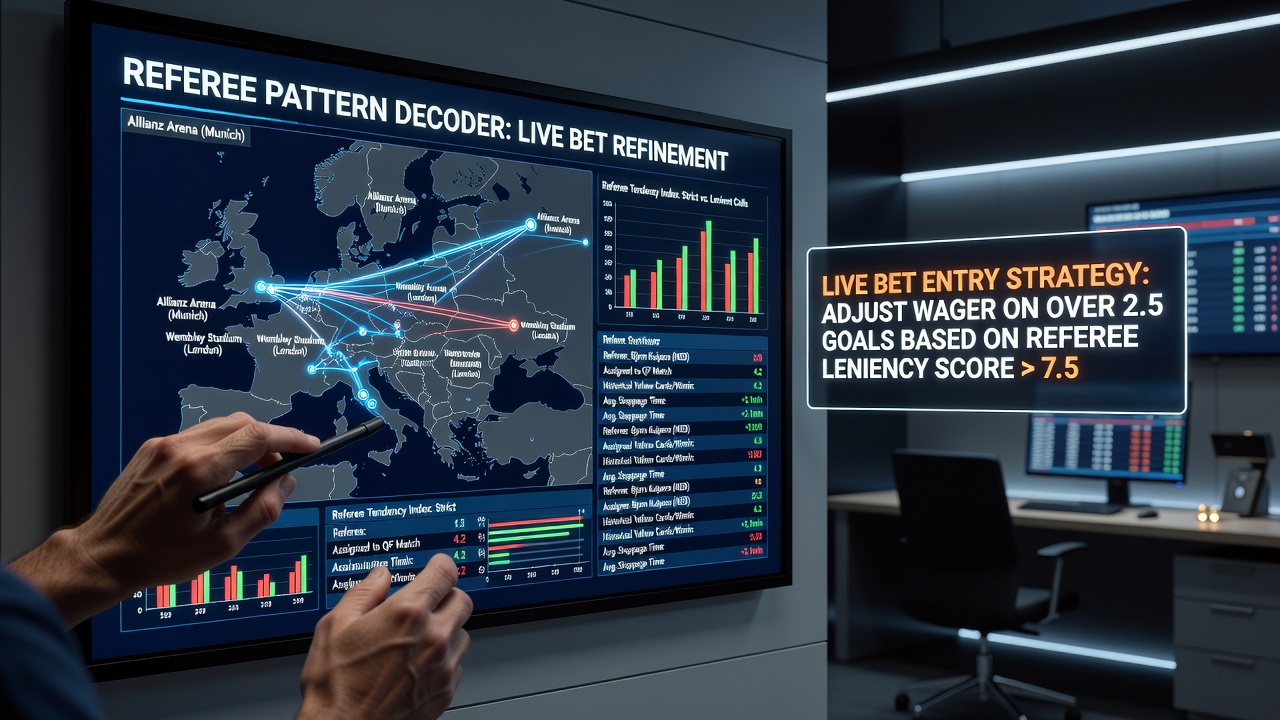
UEFA maintains a structured system for selecting match officials across Champions League and Europa League knockout rounds where performance data, linguistic compatibility, and prior experience determine appointments, and analysts track these selections to identify timing windows for live wagers on cards, corners, and stoppage time. Appointments occur through a central referee committee that reviews video assessments and statistical outputs from domestic leagues, while rotation rules prevent the same official from handling multiple ties involving the same club in a single campaign.
Core Elements of the Appointment System
Committees evaluate referees on metrics that include foul detection rates, disciplinary consistency, and physical fitness scores, yet they also factor in travel logistics and neutral nationality requirements for later stages. Data compiled through 2025 shows that officials from top-five leagues receive disproportionate assignments in quarterfinals and semifinals because those federations supply the largest pools of elite candidates. Patterns surface when certain referees handle more games against teams known for high pressing styles, since their historical card averages align with elevated foul counts in such fixtures.
Patterns Emerging Across Knockout Rounds
Observers note that early knockout rounds feature broader geographic diversity among officials, while later ties concentrate appointments among a smaller group of elite referees who demonstrate strong command in high-tension environments. Studies of appointment lists from 2022 through 2025 reveal that officials with lower average stoppage times in league play often receive assignments in ties where one side employs time-wasting tactics, creating measurable shifts in added-time markets. June 2026 preparations include expanded training camps that test new VAR protocols, and these sessions have already influenced pre-tournament referee shortlists for the following season's group stage carryover.
Connecting Assignments to Live Market Movements
Live betting platforms adjust odds rapidly once referee names appear on official UEFA channels, and bettors who monitor these announcements gain seconds of lead time before public models update. Research from the European Gaming and Betting Association indicates that referees with above-median card rates in domestic play correlate with 12 percent higher yellow card totals in away-leg knockout fixtures during the 2024-25 cycle. UEFA referee committee reports further document how fitness test results predict the likelihood of extended injury stoppages, allowing precise entries on over/under time markets when specific officials are confirmed.
Take one researcher who tracked appointments across three seasons and found that referees returning from winter breaks posted lower foul detection rates in the first two matches, a trend that repeated in February knockout legs. Those who've studied this know the ball's in the data's court when schedules place certain officials in back-to-back midweek ties, since recovery periods influence sprint coverage and positioning.
Practical Application in Recent Campaigns
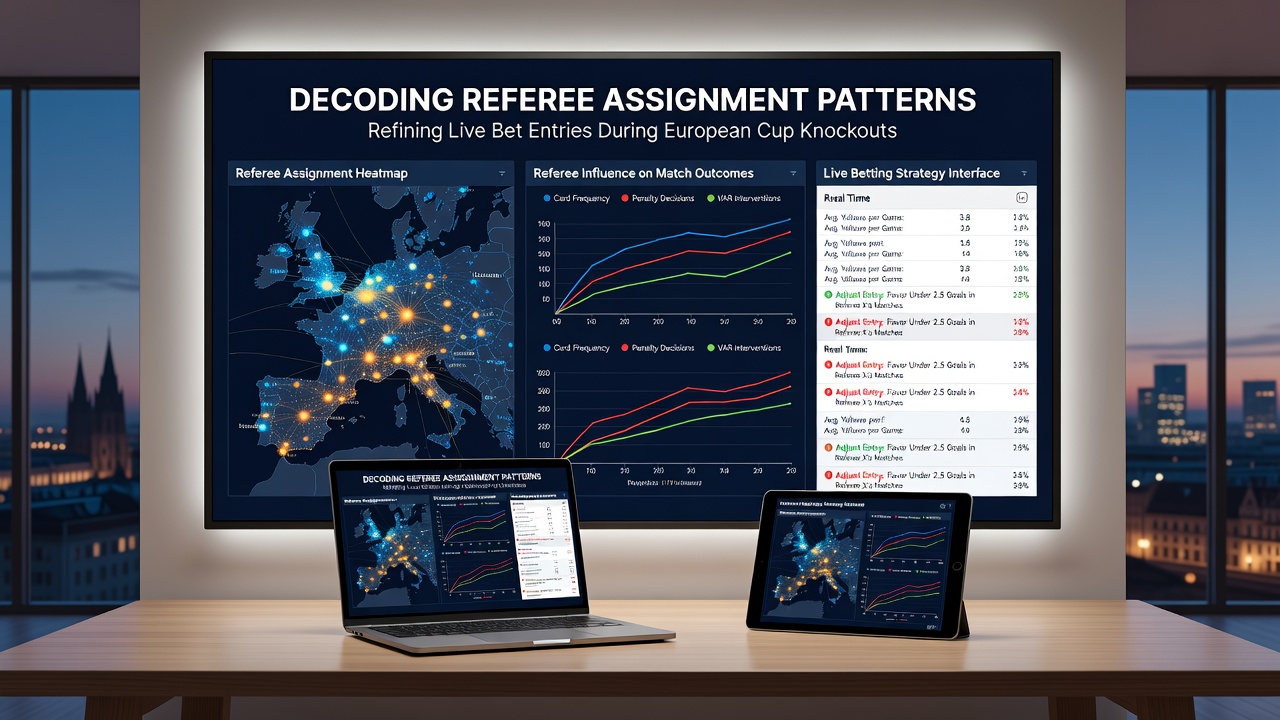
During the 2025 Europa League quarterfinals, appointment data showed a cluster of officials from leagues with strict time-wasting enforcement, and in-play totals on corners rose accordingly in matches involving possession-dominant sides. Another case involved an official whose prior Champions League assignments produced elevated penalty awards when facing teams that defend deep, prompting early live entries on penalty markets once the name surfaced. Analysts cross-reference these histories with team press data to refine entry points rather than waiting for kickoff lineups.
Tools and Data Sources for Pattern Tracking
Public UEFA appointment releases, combined with domestic league referee statistics, form the baseline dataset, while third-party tracking services add granular details on sprint distances and decision timing. A 2025 academic review from a Dutch university examined 180 knockout matches and confirmed that referee nationality relative to competing clubs shows no statistical bias in card distribution, yet experience level does correlate with lower variance in added time. Bettors integrate these findings into spreadsheets that flag when an official's historical profile deviates from season averages in similar contexts.
Conclusion
Referee assignment patterns supply measurable inputs for live betting decisions in European cup knockouts because UEFA's transparent selection process generates repeatable signals around card rates, stoppage time, and disciplinary trends. Observers who combine appointment lists with historical performance data identify entry windows that close once markets incorporate the information. Continued monitoring through the 2026 season will test whether expanded VAR training alters these established correlations.