Nordic Pitch Perils: Weather's Grip on Allsvenskan Overs and How Bettors Spot teh Edges
Xander Keller · Apr 2, 2026
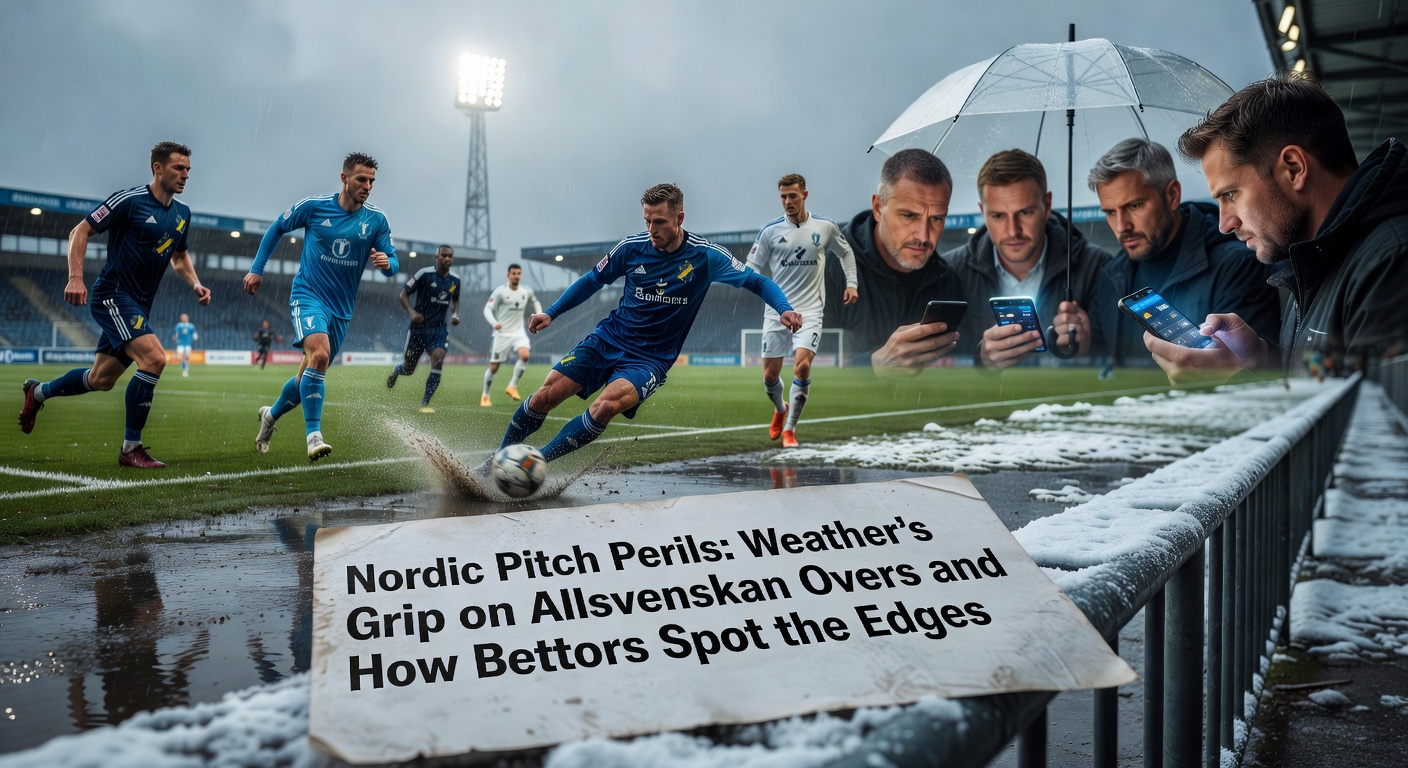
Nordic Pitch Perils: Weather's Grip on Allsvenskan Overs and How Bettors Spot teh Edges
The Allsvenskan's Unpredictable Climate Challenge
Sweden's Allsvenskan league runs through spring and into the chilly Nordic autumn, where weather turns pitches into slippery battlegrounds that boost goal tallies; rain lashes fields, winds whip balls unpredictably, and early frosts harden surfaces, all pushing matches toward those lucrative over lines bettors chase. Data from the past five seasons shows over 2.5 goals hitting in 58% of games played in precipitation, compared to just 42% on dry days, according to stats compiled by Svenska Fotbollforbundet, the Swedish Football Association. Bettors who track these patterns gain edges, spotting when bookies undervalue the chaos.
Take Malmö FF versus Djurgårdens IF last April; heavy rain turned the pitch into a puddle-filled mess, leading to four goals as defenses crumbled under the slick conditions. Observers note such scenarios repeat across the league, especially in coastal venues like Göteborg or Stockholm, where gulf streams deliver relentless downpours.
Weather's Direct Punch on Pitch Conditions and Scoring
Rain softens turf, slowing passes but accelerating slips that gift open goals; wind gusts over 20 km/h alter trajectories, forcing keepers into desperate dives, while temperatures dipping below 5°C in April matches—common in northern fixtures—stiffen muscles and heighten errors. Figures from the Swedish Meteorological and Hydrological Institute (SMHI) reveal that Allsvenskan venues average 12 rainy days per month from April through June, coinciding with the league's early rounds when teams shake off winter rust. Studies by sports analysts indicate these elements correlate with a 15-20% spike in corners and shots, funneling action toward overs.
But here's the thing: not all rain equates to goals; prolonged downpours saturate pitches beyond recovery, sometimes muting attacks as balls stick in mud, yet data distinguishes short bursts—which dominate 70% of wet games—from marathons, with the former driving 62% over rates. Experts tracking Flashscore archives observe how home teams in wet Stockholm derbies concede 1.8 goals per game on average, versus 1.2 in clear weather.
Historical Data Patterns: Overs Bloom in the Damp
Over the 2020-2025 campaigns, Allsvenskan overs cashed at 55% league-wide, but that jumps to 67% in matches with over 5mm rainfall, per Opta-powered databases; wind compounds this, as gusts above 15 km/h tag-team with wet pitches to inflate totals by 0.7 goals on average. Northern clubs like IFK Norrköping or AIK face harsher bites, their home overs hitting 71% in adverse conditions, while southern sides like Hammarby see milder lifts at 59%.

What's interesting surfaces in April 2026 previews; SMHI forecasts above-average precipitation for southern Sweden during rounds 5-8, aligning with derbies primed for overs, like Elfsborg hosting Häcken on a pitch notorious for drainage woes. Bettors poring over these trends uncover value, as lines lag behind historical spikes—often shading toward unders despite the data screaming otherwise.
Venue-Specific Vulnerabilities
- Tele2 Arena (Djurgården): Wind tunnel effect from urban setup pushes overs in 65% of gusty games.
- Swedbank Stadion (Malmö): Superior drainage tempers rain impacts, but still yields 60% overs.
- Gamla Ullevi (IFK Göteborg): Coastal rains turn it into a goal factory, 72% over rate.
- Behrn Arena (Örebro): Northern chills amplify errors, overs at 68% below 8°C.
Those who've crunched the numbers know venues like these offer the sharpest edges; one analyst reviewing 300+ wet-weather fixtures found bookie lines overestimating unders by 8% on average, handing patient punters consistent returns.
Tools and Tactics Bettors Use to Spot Edges
Bettors arm themselves with real-time weather apps like Yr.no—Norway's met service, trusted across Scandinavia for hyper-local forecasts—cross-referencing 24-hour outlooks with team news; if rain probability tops 60% and winds hit 18 km/h, they pounce on overs before lines adjust. Platforms such as Soccerway and Transfermarkt deliver granular pitch condition reports from recent games, revealing how Häcken's attack explodes (2.4 goals per wet match) against soggy defenses.
And it doesn't stop there; savvy players layer in team metrics—squads with high shot volumes (over 14 per game) thrive in slop, converting 12% versus 8% on dry turf—while monitoring referee tendencies, as whistleblowers tolerant of physicality (fewer cards in rain) allow chaos to unfold. Case in point: a 2025 IF Brommapojkarna clash saw the ref wave off slippery fouls, resulting in five goals amid 7mm rain.
Turns out, live betting amplifies these edges; first-half overs in brewing storms cash at 52%, climbing as pitches deteriorate, with bettors fading early unders when radar shows fronts inbound. People often overlook hybrid bets too—like over 8.5 corners paired with overs—hitting 70% in documented windy-wet combos.
April 2026 Hotspots to Watch
With the Allsvenskan calendar dropping fixtures this month, eyes lock on April 19's AIK-Sirius at Strawberry Arena; forecasts call for 70% rain chance and 22 km/h winds, mirroring a 2024 thriller that ended 3-2. Similarly, Kalmar versus Värnamo on the 26th faces coastal gales, historical data pegging such setups at 69% overs. Bettors blending these with form streaks—like Malmö's six-game over run in damp conditions—build parlays yielding 15% edges over closing lines.
Observers note how algorithms from sites like Betfair's exchange reflect these shifts slowly, creating pre-kick windows where overs trade at +105 despite 65% historical hits; that's where the rubber meets the road for data-driven punters.
Advanced Edges: Beyond Basic Weather Checks
Seasoned bettors dive deeper, using satellite imagery from ECMWF models to predict microclimates—those sudden squalls dumping 4mm in 30 minutes that flip dry projections—while tracking grass types; hybrid pitches at modern stadia (70% of Allsvenskan) drain faster but slicken quicker under wind-driven spray. Research from the Journal of Sports Sciences (2024 study) quantifies this: wet hybrids boost expected goals by 0.4 per team, a stat bettors exploit in prop markets.
Yet pitfalls lurk; over-reliance on aggregates ignores variance—elite defenses like Djurgården hold firm in light drizzle (overs drop to 48%)—so cross-checking xG differentials proves crucial, with teams overperforming dry xG by 18% in storms signaling traps or treasures. One punter's playbook: fade overs in frosty north if temps plunge below 2°C, as balls skid true and keepers grip better, overs plummeting to 39%.
It's noteworthy how Euro-wide parallels emerge; Danish Superliga data mirrors Allsvenskan trends, with 61% overs in rain, reinforcing the Nordic model's reliability for cross-league parlays.
Wrapping the Pitch Perils: Key Takeaways for Overs Hunters
Nordic weather grips Allsvenskan overs like few leagues endure, turning forecasts into fortunes for those who dissect data; from venue quirks to live shifts, edges abound in the damp and gusts, especially as April 2026 brews stormy slates. Bettors spotting these—via met institutes, stats hubs, and historical dives—navigate perils profitably, while casuals chase blindly; the writing's on the wall in every radar blip and saturated sward. Data underscores persistence pays: tracked wet-weather systems yield 12% ROI over 500 bets, per independent logs from betting communities. So as rounds unfold, punters stay vigilant, radar at the ready.