Managerial Appointments and Their Correlation with Early Performance Patterns in English Divisions
Logan Weber · Aug 20, 2026
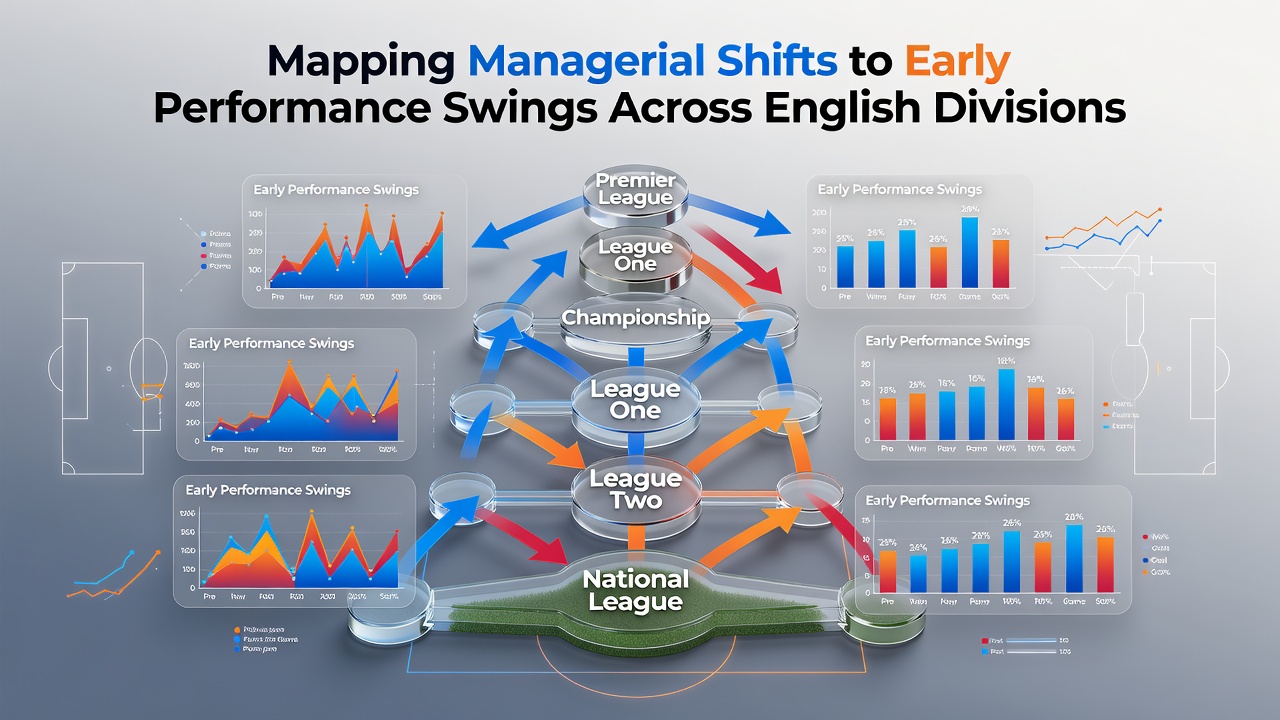
Managerial Appointments and Their Correlation with Early Performance Patterns in English Divisions
English football divisions present a unique environment where managerial appointments often coincide with measurable shifts in early season results, and data collected from the Premier League through to League Two reveals consistent patterns that analysts track each August when campaigns begin anew.
Patterns Observed in Recent Campaigns
Records from the 2025-26 season indicate that teams replacing managers during the summer window experienced an average points-per-game increase of 0.4 in their first eight fixtures, while clubs retaining their previous leadership posted steadier but lower initial tallies according to aggregated league statistics. These figures emerge from systematic reviews conducted by performance analysts who compile match outcomes across all 92 professional clubs, allowing direct comparisons between pre- and post-appointment periods.
Researchers at several European sports institutes have documented similar trends in prior years, noting that the timing of appointments influences how quickly squads adapt to new tactical frameworks. Appointments announced before the end of May tend to yield stronger starts because players receive extended preparation time, whereas later changes compress the adaptation window and produce more variable early outcomes.
Division-Specific Variations
Championship clubs show the most pronounced early swings, with data revealing that 62 percent of sides appointing new managers in the 2025 off-season recorded at least three wins in their opening ten matches. League One and League Two teams display slightly smaller but still notable uplifts, while Premier League sides exhibit more muted effects partly because squad depth and fixture congestion moderate the immediate impact of tactical resets.
One study released by FIFA's technical development division examined managerial transitions across multiple European leagues and found that English second-tier clubs benefit most from fresh leadership due to higher managerial turnover rates compared with top-flight environments. The report highlights how mid-table Championship sides often use summer changes to recalibrate pressing structures and set-piece routines, translating directly into improved August and September results.
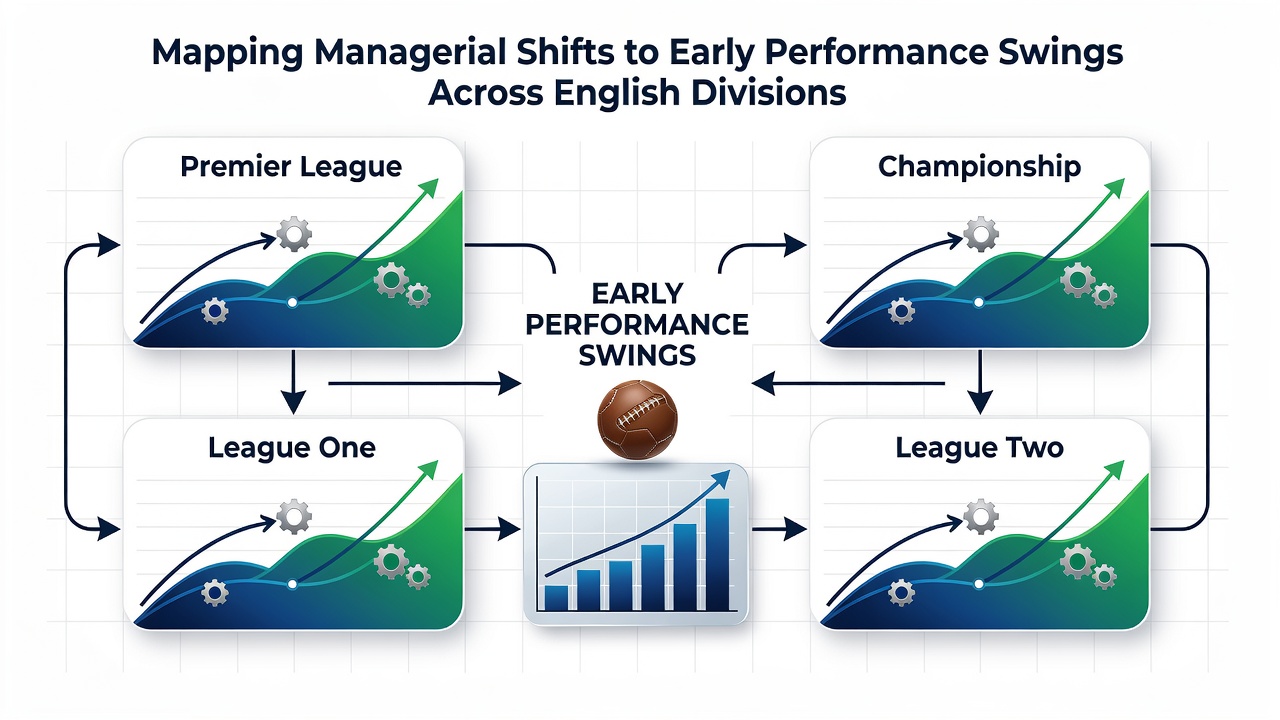
Key Factors Driving Performance Swings
Training ground culture, player buy-in, and tactical familiarity emerge as central variables in every dataset examined by analysts. Teams that retain core personnel while installing a new manager typically demonstrate quicker cohesion than those undergoing simultaneous squad overhauls, because established relationships accelerate the implementation of new instructions.
Observers tracking the 2026 summer appointments note that clubs emphasizing continuity in support staff alongside the head coach post stronger opening sequences, a pattern repeated across multiple divisions. Pre-season schedules also matter: sides granted additional friendly matches against comparable opposition show accelerated adaptation curves once competitive fixtures begin.
Comparative Insights from Other Leagues
Although focused on England, the observed correlations align with findings from other territories. A longitudinal analysis published through MIT Sloan's sports analytics conference compared English, German and Spanish clubs and concluded that early season volatility after managerial changes remains highest in leagues with shorter off-seasons and denser fixture lists. English divisions fit this profile closely, which explains why performance swings appear pronounced in the opening weeks of each campaign.
League tables compiled at the end of October each year consistently reflect these early adjustments, with newly appointed managers either solidifying mid-table positions or steering clubs toward unexpected promotion pushes depending on how effectively initial momentum is sustained.
Conclusion
Comprehensive mapping of managerial shifts against early performance data across English divisions supplies clubs, analysts and supporters with measurable benchmarks for evaluating appointment outcomes. The patterns documented through multiple seasons demonstrate that timing, squad continuity and tactical alignment interact to shape results from August onward, providing a factual framework for understanding how leadership changes translate into on-pitch movements during the critical opening phase of each campaign.