International Break Fatigue Patterns: How National Team Duties Shift Value Opportunities in Championship Fixtures
Vera Reed · Aug 6, 2026
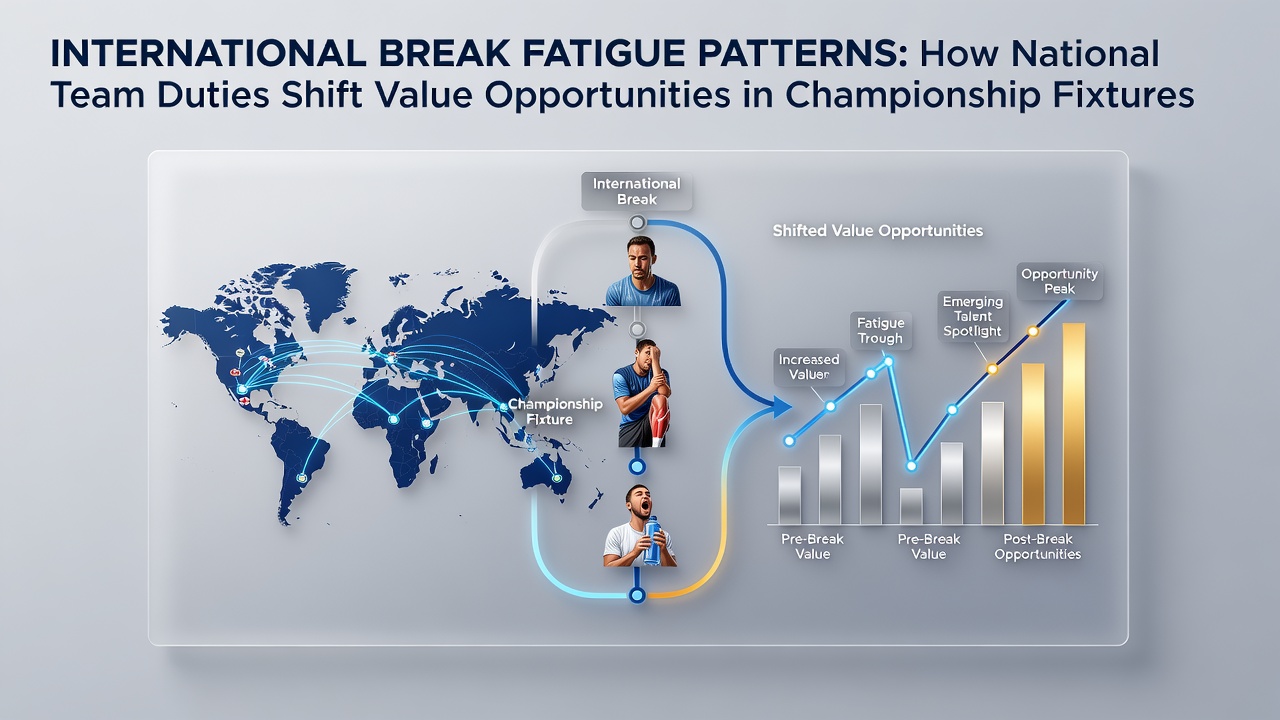
International Break Fatigue Patterns: How National Team Duties Shift Value Opportunities in Championship Fixtures
International breaks create measurable disruptions in Championship schedules, and data from multiple seasons shows how player fatigue alters team outputs in subsequent domestic fixtures. Researchers tracking squad rotations note that clubs with higher percentages of players returning from national team commitments often experience dips in high-intensity running metrics during the first 60 minutes of matches. Those patterns hold across several English second-tier campaigns, with particular relevance as the 2026-27 season gets underway after the August international window.
Player Workload Data and Recovery Timelines
Studies compiled by sports science teams at various European clubs indicate that players logging more than 90 minutes across two international matches require at least four full days to restore baseline glycogen levels, while those who travel long distances face additional circadian challenges. Championship sides frequently schedule fixtures within 72 hours of the final international date, leaving limited recovery windows. Figures from performance tracking platforms reveal average reductions of 8-12 percent in distance covered at high speed for affected players in their first club appearance post-break.
Coaches adjust lineups accordingly, and observers note increased reliance on squad depth during these periods. Teams without adequate rotation options show steeper declines in pressing intensity, which directly influences match tempo and the likelihood of set-piece concessions.
Statistical Shifts in Post-Break Championship Results
League-wide datasets covering the past five seasons demonstrate that sides returning multiple players from international duty record fewer wins in their immediate next Championship outing compared with their season-long averages. The effect appears most pronounced when three or more starters have participated in competitive national team fixtures within the preceding 10 days. Analysts tracking these trends point to lower shot conversion rates and increased defensive errors as consistent markers.
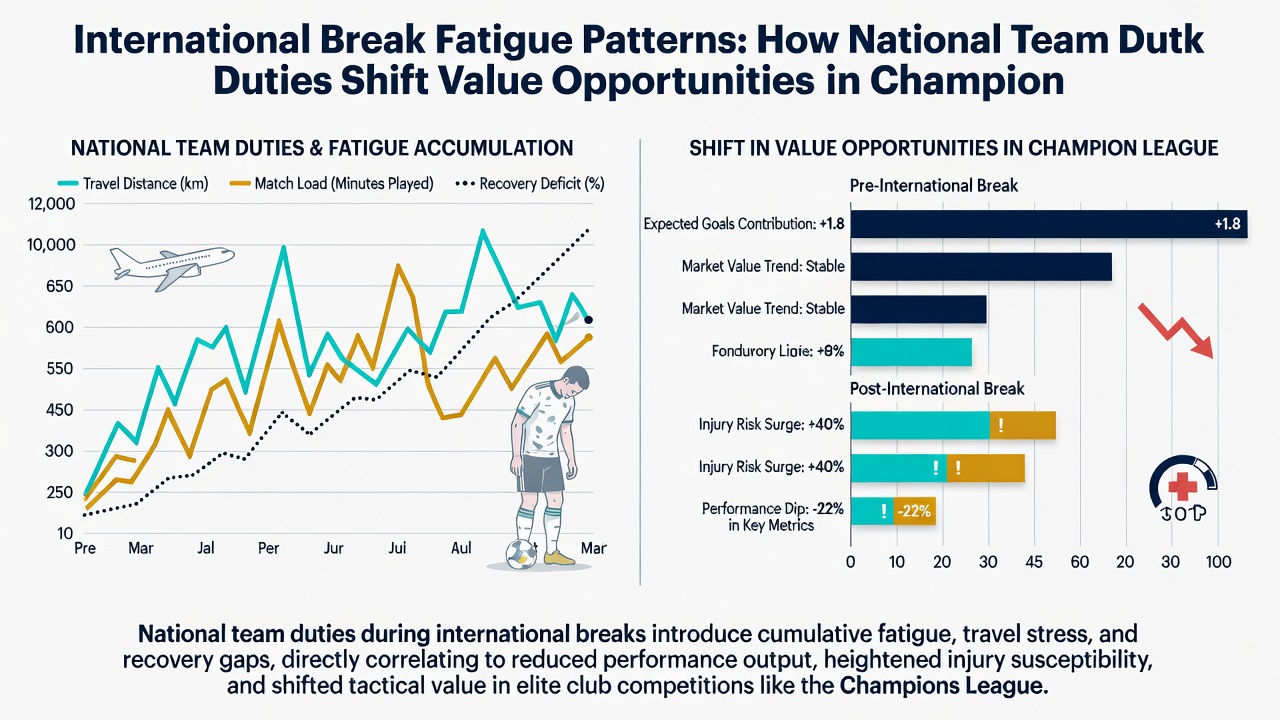
August 2026 fixtures following the summer international qualifiers provide another dataset point, with several promoted and mid-table clubs already reporting elevated muscle tightness among returning personnel. Performance analysts at clubs such as those competing in the EFL Championship have begun publishing internal reports that correlate travel distance and match minutes with subsequent injury risk in domestic play.
Positional Impacts and Tactical Adjustments
Defenders and central midfielders tend to exhibit the most consistent fatigue markers after international duty, according to GPS data aggregated across multiple academies. Full-backs who cover large distances in both national team and club systems show particular vulnerability to late-match lapses. Forward lines, while sometimes less affected in raw distance metrics, display reduced decision-making speed that manifests in lower expected goal outputs during the opening half.
Managers respond with targeted substitutions and adjusted pressing triggers, yet the compressed schedule limits full adaptation. One study from a UK university sports department found that teams fielding at least four post-international players recorded a measurable increase in turnovers in the middle third during the first 30 minutes of Championship matches.
Market Implications for Fixture Planning
Betting markets have begun incorporating squad travel reports and international minute trackers into pre-match pricing models. When multiple key players from a single Championship side return from duty, historical data shows shifts in both total goals and handicap lines that align with observed performance decrements. Those who monitor release schedules from national federations gain early visibility into potential rotation risks before odds stabilize.
European governing bodies including UEFA have published guidelines on player welfare during congested periods, yet domestic leagues retain scheduling autonomy that sometimes places returning squads at a disadvantage. Cross-referencing these patterns with fixture congestion calendars allows for identification of recurring value pockets across the Championship calendar.
Conclusion
International duty creates predictable fatigue vectors that influence Championship outcomes in measurable ways. Clubs and analysts tracking workload data, positional recovery rates, and historical result patterns gain clearer visibility into where performance gaps emerge most consistently. As the 2026-27 campaign progresses, these factors continue to shape both tactical preparation and market movements around affected fixtures.