BGC Warns of Expanding Black Market Activity During 2026 World Cup
Vera Reed · Jun 14, 2026

BGC Warns of Expanding Black Market Activity During 2026 World Cup
The Betting & Gaming Council has issued a direct warning that unlicensed operators stand to capture around £200 million in stakes from UK customers across the 2026 FIFA World Cup, while licensed operators are projected to handle more than £1 billion in total betting volume during the same period. This assessment draws from internal modeling that factors in current market dynamics, customer migration patterns, and the timing of the tournament scheduled for June 2026. Figures released by the organization show how proposed Financial Risk Assessments could shift an extra £50 million into unregulated channels, bringing the overall black market estimate to £250 million if those checks are implemented in their current form.Details Behind the Projections
Modeling conducted by the Betting & Gaming Council breaks down expected betting flows across both regulated and illegal platforms, with particular attention paid to high-profile international events where demand spikes sharply. The core estimate of £200 million for the black market reflects baseline customer behavior observed in recent tournaments, adjusted for the scale of the 2026 competition. Regulated operators, by contrast, are forecast to process stakes exceeding £1 billion, a figure that accounts for the concentration of matches across several weeks and the broad range of betting products typically offered during major football events.
Those projections change when Financial Risk Assessments enter the equation. The additional £50 million shift arises because the assessments, which evaluate customer spending against income data, may prompt some bettors to seek out unlicensed sites that do not apply the same checks. Observers note that this migration has appeared in smaller-scale events already, and the same dynamic could scale during the extended schedule of the World Cup. The combined total of £250 million therefore represents the upper-bound scenario under current policy proposals.
Context of Unlicensed Operators
Unlicensed operators have increased their visibility in recent years, often through targeted marketing and the absence of affordability requirements that apply to licensed firms. The Betting & Gaming Council highlights how these platforms position themselves as alternatives when regulatory friction rises, particularly around transaction speed and verification steps. Data from the organization indicates that the gap between regulated and unregulated offerings widens during periods of heightened customer activity, such as major tournaments. The 2026 World Cup, spanning multiple host venues and running through June, creates precisely the window where such operators expect elevated turnover.
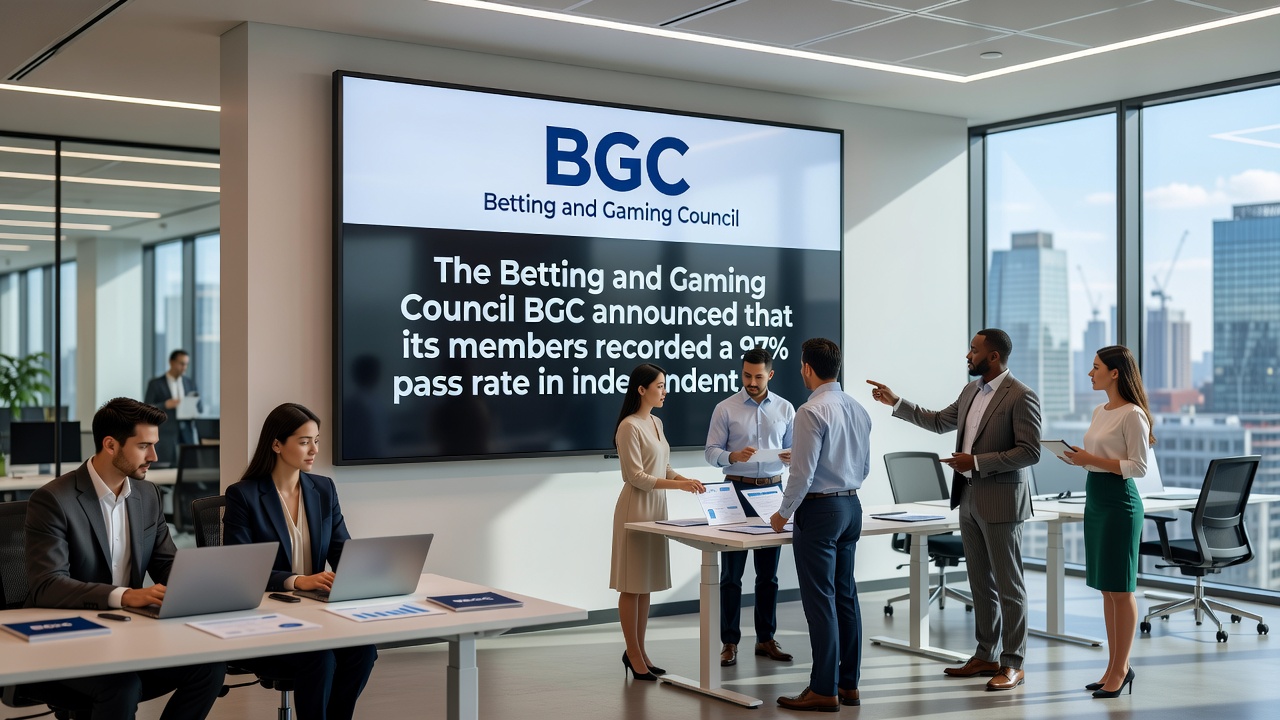
Industry modeling further suggests that the proposed assessments could accelerate this trend by introducing additional friction at the point of deposit or withdrawal on licensed sites. Customers who encounter delays or restrictions may explore offshore alternatives that bypass those steps entirely. The Betting & Gaming Council has quantified this effect at an incremental £50 million, underscoring the sensitivity of market share to regulatory design. Figures released alongside the warning compare this outcome to previous tournament cycles, where similar patterns emerged on a smaller scale.
Implications for the 2026 Tournament
With the World Cup set to begin in June 2026, the timeline leaves limited room for adjustments to the proposed framework. The Betting & Gaming Council emphasizes that any policy changes implemented before the tournament could lock in higher black market participation from the outset. Licensed operators, meanwhile, continue to prepare systems that must balance compliance requirements against customer retention. The £1 billion projection for regulated betting assumes current operational conditions remain largely intact; any acceleration of assessment procedures would narrow that total while expanding the parallel illegal market.
Stakeholder discussions have focused on how enforcement resources might address the expected growth in unlicensed activity. The organization points out that the scale of the tournament amplifies existing challenges, because demand for quick access and diverse markets tends to peak during such events. Modeling shows that the £200 million baseline could rise to £250 million once Financial Risk Assessments are active, illustrating the direct relationship between regulatory settings and market distribution.
Conclusion
The Betting & Gaming Council’s analysis presents a clear numerical picture of potential outcomes for the 2026 World Cup period. Regulated operators are positioned to manage stakes above £1 billion under existing arrangements, while the black market could reach £200 million without further policy shifts or £250 million if Financial Risk Assessments proceed as modeled. These estimates, grounded in recent behavioral data and tournament-specific projections, highlight the measurable trade-offs that accompany changes to customer verification processes. The figures remain tied to the specific timeframe of June 2026 and the scale of the competition ahead.